Sagės Explained: Meaning, Types, Styling & Modern Use
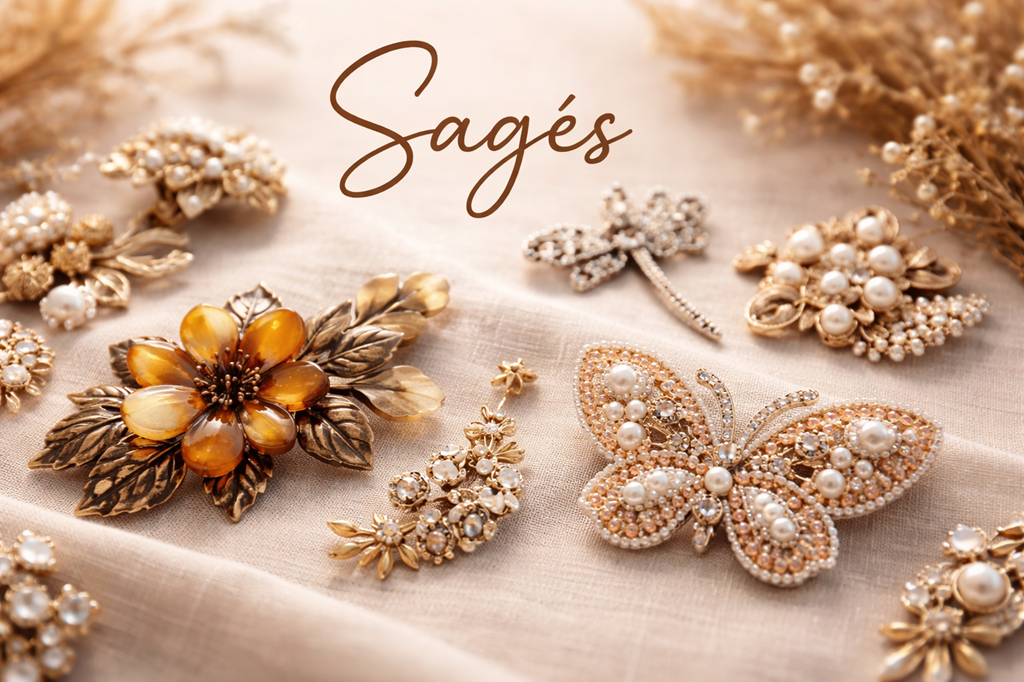
Sagės, commonly known as brooches, are decorative pins designed to attach to clothing or accessories. These wearable accessories serve three clear purposes. They add visual interest, provide light fastening, and express personal identity. From ancient adornment to modern fashion detail, Sagės remain relevant because they adapt easily to changing styles while keeping their symbolic value.
Today, a lapel brooch or ornamental pin is not limited to formal outfits or traditional placement. It can appear on jackets, scarves, dresses, hats, belts, or handbags. This versatility is what keeps brooches timeless rather than outdated.
What Are Sagės and Why They Still Matter Today
Sagės are among the oldest forms of personal adornment. Historically, these garment fasteners secured clothing before buttons existed. Over time, their function expanded into decoration, symbolism, and craftsmanship.
In modern fashion, decorative brooches matter because they offer something rare. They allow individual expression without permanence. You can change a look instantly without altering the clothing itself.
They are also gender neutral. Fashion brooches are worn by women and men across cultures, styles, and age groups.
A Short Look at the History of Sagės
Sagės have appeared in nearly every civilization.
Early versions were simple metal jewelry pins used by ancient Greeks and Romans. During medieval times, heritage jewelry such as brooches became symbols of rank and allegiance. In the 19th and early 20th centuries, they evolved into traditional ornaments worn to communicate taste, status, or sentiment.
What changed over time was not their purpose, but their design language. Materials, motifs, and placement adapted to culture and fashion trends.
Types of Sagės You Will See Today
Modern Sagės can be grouped by material, technique, and theme. Each type serves a slightly different aesthetic and emotional role.
Handmade and Beaded Sagės
These handcrafted jewelry pieces focus on detail and artistic skill.
They often feature:
- Bead embroidery
- Sequins and crystals
- Thread work on fabric or felt bases
Popular shapes include animals, flowers, insects, and abstract forms. Each statement brooch usually carries a one-of-a-kind character because no two handmade items are identical.
Sagės Made from Natural Materials
Natural material Sagės appeal to people who value texture and authenticity.
Common materials include:
- Amber jewelry
- Wooden accessories
- Felted wool jewelry
- Natural fibers
These artisan accessories feel warm and organic. They pair well with neutral clothing and layered outfits.
Metal Sagės
Metal Sagės range from refined to rustic.
You will often find:
- Silver jewelry pieces and gold-plated designs
- Brass ornaments inspired by archaeology
- Ethnographic jewelry with cultural motifs
These vintage inspired jewelry designs tend to last longer and hold structure well. They are often chosen for formal wear or heritage styling.
Thematic and Symbolic Designs
Themes give Sagės emotional meaning.
Popular motifs include:
- Animal motif jewelry such as bees, birds, and dragonflies
- Celestial inspired jewelry featuring stars and moons
- Medal or order-style statement accessories
These designs often communicate values, moods, or personal stories rather than trends.
How to Wear Sagės in a Modern Way
Styling Sagės today is about balance and intention. There are no strict rules, but thoughtful placement makes a clear difference.
Placement That Works
- On a lapel for classic elegance
- Near the collar to draw attention to the face
- On a belt to define the waist
- On hats, bags, or scarves as wardrobe accents
Each placement changes how the outfit feels.
Proportion and Scale
A Sagė should match the surface it sits on.
Large jackets or coats support bold statement brooch designs. Light blouses or fine knits work best with smaller decorative pins. This keeps the accessory visible without overwhelming the outfit.
Visual Balance
Sagės often work best as a single outfit focal point.
If the brooch is detailed or large, skip heavy necklaces or bold earrings. This allows the accessory to stand on its own.
Sagės as Personal and Cultural Expression
Sagės often carry meaning beyond fashion.
They may represent:
- Heritage or regional identity
- Craft traditions
- Personal milestones or gifts
- Support for causes or beliefs
Because these jewelry accessories are visible yet subtle, they allow quiet storytelling through design.
Quality and Craftsmanship: What to Look For
A well-made Sagė shows care in small details.
Check for:
- Secure fastening or magnetic backing
- Smooth edges and clean finishes
- Strong stitching in handmade designs
- Balanced weight that does not pull fabric
Quality matters not only for durability, but also for comfort.
Sagės as Gifts: Why They Work So Well
Sagės make thoughtful gifts because they feel personal without being risky.
They work well for:
- Birthdays and anniversaries
- Cultural or seasonal celebrations
- Professional appreciation gifts
A brooch gift idea can suit many styles while still feeling meaningful.
Why Sagės Remain Evergreen in Fashion
Trends change quickly, but fashion brooches endure because they adapt effortlessly.
They move easily between:
- Formal and casual looks
- Traditional and modern outfits
- Minimalist and expressive styles
This adaptability keeps timeless jewelry relevant across generations.
Final Thoughts on Sagės
Sagės are more than decorative pins. They are small objects with lasting presence.
They connect history, craftsmanship, and personal style in a way few fashion accents can. Whether handmade, metal, symbolic, or minimalist, a Sagė offers quiet confidence and individuality.
That is why decorative pins continue to appear, disappear, and return again. Not because fashion demands them, but because people do.
Explore more stories of timeless design on Glowyp.
Where craftsmanship, style, and meaning come together.