Smart Spending on Private Air Travel: Tips for Every Flyer
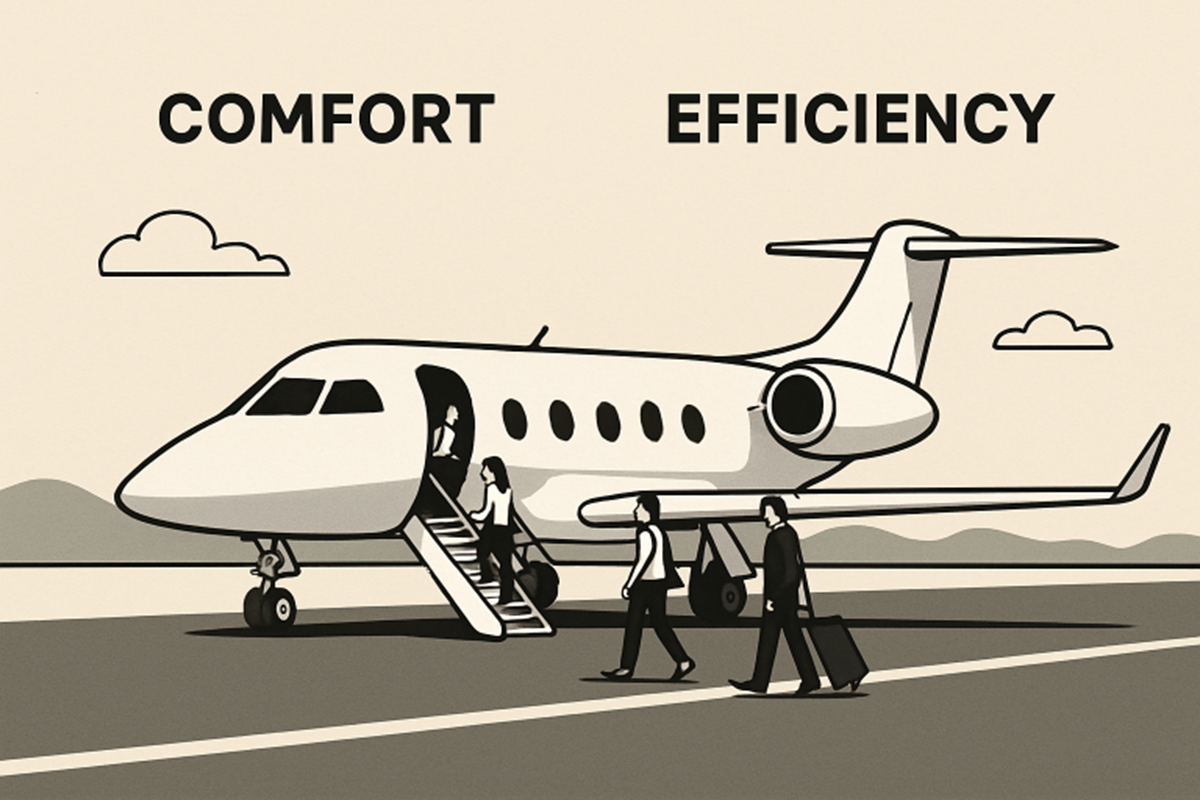
Private aviation has transformed the travel experience, offering unmatched comfort, privacy, and convenience. While once considered an indulgence reserved only for the elite, private jet travel is becoming increasingly accessible as more travelers demand efficiency and flexibility. However, smart spending is essential to maximize value. Whether you fly for business or pleasure, understanding the factors that drive costs can help you manage expenses more effectively. For a comprehensive guide to understanding factors that affect round-trip flight cost, it’s crucial to grasp the nuances that impact your total travel investment.
From selecting the right aircraft to leveraging technology, this guide will help you avoid common pitfalls and maximize the benefits of your private flight experience. This thoughtful approach allows you to enjoy the benefits of private travel while keeping your budget in check.
Unlike commercial airlines, private flights offer customizable schedules, exclusive terminals, and enhanced amenities. Nonetheless, with so many options on the market, it’s easy to overspend if you’re not well-informed. By focusing on proven strategies, you’ll be well on your way to enjoying convenient, cost-effective private aviation.
As demand continues to rise, more travelers are exploring options that combine luxury with value. Staying up-to-date with best practices ensures you’re flying on your terms, whether it’s your first or fiftieth flight.
Understanding Private Flight Costs
The cost of flying private depends on several variables, including aircraft type, distance traveled, trip duration, and the time of year. Aircraft size significantly affects pricing; light jets and turboprops, for instance, are generally more economical than larger, long-range jets. Distance impacts fuel charges, crew expenses, and overnight accommodation if required. Furthermore, popular destinations and peak seasons can inflate prices. A clear understanding of these factors is crucial for travelers who want to budget more effectively and make informed decisions about each journey. The Jet Scout’s analysis of private jet costs offers valuable insights into these expenses.
Choosing the Right Aircraft
Matching your aircraft to your route and group size is one of the most impactful ways to control costs. For short trips or small groups, light jets or turboprops offer lower charter rates and operational costs compared to heavy jets. On longer journeys where nonstop capability or additional space is vital, midsize or super-midsize jets may be more practical, despite the higher hourly rate. Consulting with a reputable operator or broker who can break down the pros and cons for each type can prevent overspending and ensure a comfortable experience tailored to your needs.
Leveraging Empty Leg Flights
Empty leg flights—discounted trips that occur when an aircraft must return to base or reposition for its next client—are among the best-kept secrets in private aviation. These flights typically cost up to 75% less than standard charters, making them a savvy choice for flexible travelers. The catch is adaptability; routes and times are fixed, and plans must often be made at the last minute or are subject to change. Platforms and brokers that specialize in empty leg listings make it easier for travelers to spot great deals and grab them quickly. Forbes offers a valuable perspective on private jet charter prices, which can further inform your decision.
Joining Private Jet Membership Programs
Frequent flyers can reap substantial savings by joining private jet membership programs. Many programs offer benefits like discounted rates, guaranteed aircraft availability, fixed pricing, and priority booking privileges. These plans are ideal for those who fly multiple times per year and seek predictability in costs. It is wise to compare available programs, focusing on terms, blackout dates, aircraft access, and the range of included services before committing to a plan that suits your travel profile.
Booking in Advance
Planning is a proven strategy for securing the best rates and availability. Last-minute bookings may limit your options or inflate costs due to high demand and logistical challenges. By reserving your flight well in advance of your intended travel date, you unlock better rates and a broader selection of aircraft, while also allowing for greater customization of your journey.
Sharing Flights with Other Travelers
Jet sharing is an increasingly popular way to split private aviation expenses while still enjoying exclusive perks. Services now exist that match like-minded travelers on similar routes, allowing you to co-charter flights and divide the costs. This practice offers the comfort and convenience of private flying at a fraction of the cost of chartering an entire jet, making luxury travel accessible to more people than ever.
Utilizing Technology and Apps
Modern technology has transformed how people access private flights. Apps and online platforms offer instant access to booking, real-time availability, dynamic pricing, and even alerts for empty legs. Comparing multiple providers has never been easier, and these digital solutions help you optimize your travel planning on your terms. Reading reviews and utilizing transparent pricing tools are essential for identifying trustworthy operators and securing the best available rates.
Staying Informed About Industry Trends
Keeping up with the latest developments in private aviation—such as changes in demand, fuel prices, and new service models—can reveal significant opportunities for savings. Reports indicate that more than 95% of travelers who tried private flying during the pandemic have made it their go-to option, which is shifting market dynamics and influencing both pricing and service levels. Awareness of these trends positions travelers to capitalize on emerging deals and services tailored for today’s evolving clientele. By taking a strategic and informed approach, private air travel can offer the perfect balance of luxury and cost efficiency. Understanding options such as jet membership programs, empty-leg flights, and flexible scheduling allows travelers to enjoy personalized convenience while managing expenses. Utilizing expert resources and planning tools ensures that every trip prioritizes comfort, efficiency, and safety without incurring unnecessary costs. By staying knowledgeable about pricing trends, aircraft types, and service offerings, travelers can make smart decisions that enhance their experience, allowing private aviation to remain an accessible, enjoyable, and financially sensible choice.