Will Powderless DTF Printers Be Popular in 2026?
The printing world never stands still. Just when DTF printers revolutionized the custom apparel industry, a new challenger appeared: powderless DTF printers. By eliminating one of the messiest steps in the process—the adhesive powder—this technology promises a cleaner, faster workflow. But is it just a fleeting trend, or is it the future standard?
As businesses look ahead to 2026, many are wondering if they should invest in this new tech now or wait it out. Let’s explore the trajectory of powderless DTF printers and why they are poised to dominate the market in the coming years.
What is Powderless DTF Printing?
To understand the future, we have to look at how the technology works today. Traditional DTF printing involves printing an image onto a PET film, applying a hot melt adhesive powder, shaking off the excess, and then curing it in an oven. It’s effective, but it involves multiple steps and a fair bit of cleanup.
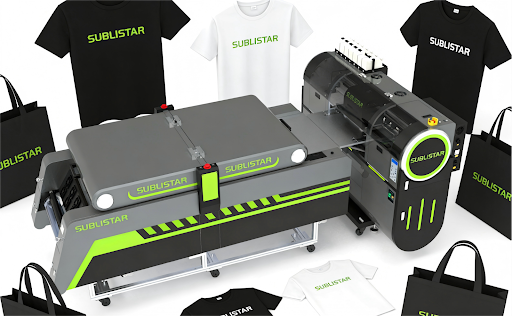
Powderless DTF printers, like the SUBLISTAR DTF-6004G, streamline this process entirely. Instead of using a separate powder application step, these machines use a specialized printhead configuration. They print the standard CMYK and white inks, but they also print a liquid glue adhesive directly onto the film.
Why a Powderless DTF Printer is Gaining Momentum
1. A Superior End Product
One of the biggest complaints about traditional DTF transfers is the “plastic-like” feel on the shirt. Because powderless printers use liquid adhesive rather than granular powder, the resulting transfer is significantly thinner. This offers excellent breathability and a much softer hand feel.
2. Environmental and Health Benefits
The “powder” in traditional DTF can be messy. It gets into the air, settles on equipment, and requires good ventilation to ensure operator safety. By removing the powder shaking process, businesses can operate in a smoke-free, cleaner environment. This reduces the need for heavy-duty air purification systems and minimizes health risks for employees.
3. Simplified Maintenance
Equipment downtime is the enemy of profitability. Powderless printers remove the mechanism responsible for shaking and recycling powder—a common point of failure and clogging in traditional setups. With fewer moving parts and no granular residue to clean up, maintenance becomes far easier.
The Outlook for 2026
If we look at the adoption curve of printing technologies, efficiency usually wins. By 2026, we expect the initial costs of powderless technology to decrease, making it accessible to small and medium-sized print shops.
The demand for eco-friendly production methods is also rising. A system that uses less energy (no heavy shaking mechanisms) and creates less waste aligns perfectly with the sustainability goals of modern fashion brands. As customers demand softer, higher-quality prints, print shops using old-school powder methods may struggle to compete with the premium feel of powderless transfers.
While traditional DTF is not going away overnight, the writing is on the wall. By 2026, the efficiency and quality benefits of powderless systems will likely make them the go-to choice for serious print shops. If you are planning your equipment upgrades for the next few years, keeping an eye on the powderless DTF printers isn’t just a good idea; it’s essential for staying competitive.