How does Stage LED Screens Transform Live Event Experiences?
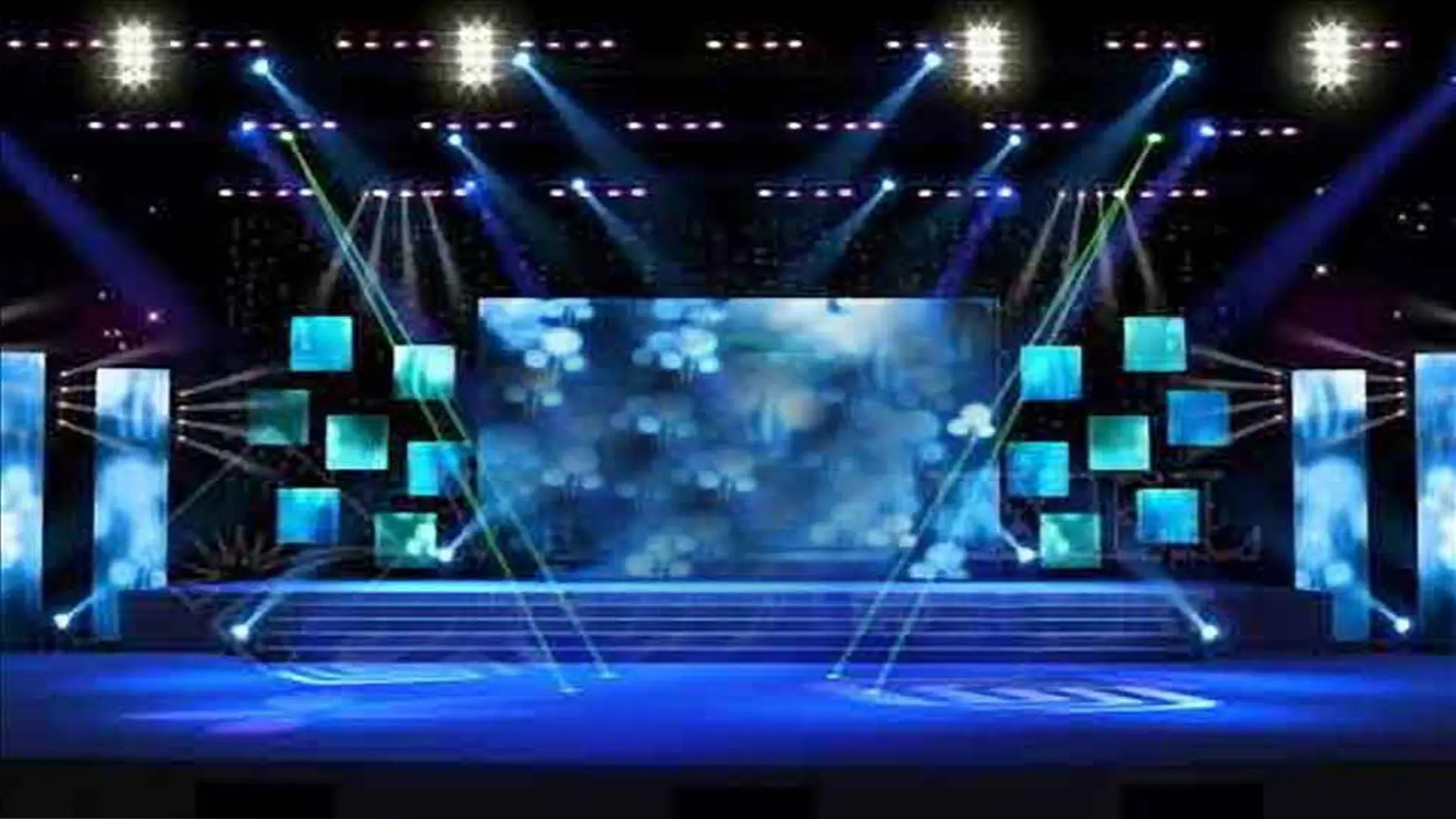
Stage LED screens have become central to how modern events communicate, entertain, and engage audiences. From concerts and festivals to corporate presentations and cultural performances, these visual systems shape how information and emotion are delivered in large spaces. Unlike traditional backdrops or projection systems, LED screens deliver clarity, motion, and adaptability on stage. Their presence influences not only what audiences see, but also how performers, speakers, and organizers design their events. Understanding the role of stage LED screens helps explain why they are now considered an essential component of live production rather than an optional enhancement.
How LED screens shape live stages
- Creating Visual Impact That Supports the Performance
Stage LED screens contribute to the overall impact of a performance by extending what can be communicated visually. Rather than relying solely on physical props or lighting, screens enable dynamic content to support the event’s message or mood. Background visuals can shift instantly to align with music, dialogue, or transitions on stage. For organizers using stage led screen rental, flexibility becomes especially valuable, as screens can be configured to suit different venues and event types without permanent installation. This adaptability allows visuals to enhance performance rather than overpower it. When used thoughtfully, LED screens become an extension of the stage narrative rather than a distraction.
- Adapting Screen Layouts to Different Venues
One of the defining strengths of stage LED screens is their ability to adapt to various venue sizes and layouts. Indoor theaters, outdoor arenas, and temporary event spaces all present different challenges. LED panels can be assembled into custom shapes, widths, and heights to fit the stage design and audience sightlines. This adaptability ensures that visuals remain clear and engaging regardless of seating distance or viewing angle. By tailoring screen configurations to the space, event designers maintain visual consistency and avoid areas where content might be difficult to see. The result is a more inclusive viewing experience for the entire audience.
- A Brief Look at Visual Balance
Visual balance is critical when integrating LED screens into stage design. Screens must complement lighting, performers, and physical elements rather than dominate them. Balanced visuals naturally guide audience attention. When screens are proportioned correctly, they support storytelling without overwhelming it. Thoughtful balance enhances clarity and comfort. This harmony ensures that technology serves the event’s purpose rather than competing for focus.
- Enhancing Communication in Large-Scale Events
In large venues, clear communication can be challenging without visual reinforcement. Stage LED screens help bridge the distance between performers and audience members seated far from the stage. Close-up visuals, supporting graphics, and real-time content ensure that key moments are visible to everyone. This is especially important during presentations, conferences, or events where spoken content needs visual support. Screens help maintain engagement by reinforcing messages visually, reducing reliance on audio alone. This layered communication approach improves understanding and keeps audiences connected throughout the event.
- Supporting Creative Freedom for Event Designers
Stage LED screens open creative possibilities that were previously difficult to achieve. Designers can experiment with motion graphics, immersive backgrounds, and synchronized visuals that respond to live performance cues. This creative freedom allows events to feel more immersive and intentional. Visual storytelling can evolve throughout the program, adapting to tone changes without physical set alterations. By enabling rapid visual transitions, LED screens support fluid event pacing and creative expression. Designers gain a flexible canvas that responds to both artistic vision and practical constraints.
- Managing Lighting and Visual Integration
Integrating LED screens with stage lighting requires careful coordination. Brightness levels, color temperature, and contrast must be balanced so screens remain visible without washing out performers. Proper integration ensures that lighting enhances both the stage and the screen content. When lighting and visuals work together, the stage feels cohesive rather than fragmented. This coordination helps maintain visual comfort for the audience and prevents fatigue caused by excessive brightness or contrast. Thoughtful integration supports a polished, professional stage appearance.
- Responding to Real-Time Event Changes
Live events are dynamic, and plans often change in real time. Stage LED screens enable quick content adjustments when schedules shift, speakers change, or unexpected moments arise. Visual updates can be made without interrupting the event flow. This responsiveness helps organizers maintain continuity and professionalism under changing conditions. The ability to adapt visuals quickly supports smoother transitions and reduces stress during live production. Screens serve as tools for problem-solving as much as for presentation.
- Supporting Branding and Identity on Stage
For corporate and branded events, stage LED screens play a significant role in reinforcing identity. Logos, color schemes, and messaging can be integrated consistently throughout the event. Visual branding helps create recognition and continuity, especially during multi-session programs. Screens allow branding to appear polished and intentional without relying solely on printed materials. This consistency supports audience recall and strengthens the event’s overall message. Visual identity becomes part of the experience rather than a background element.
- Improving Audience Engagement and Attention
Audience attention naturally follows movement and visual contrast. Stage LED screens use this principle to maintain engagement during longer events. Subtle animations, supporting visuals, and transitions help sustain interest without overwhelming the audience. When visuals align with the event’s rhythm, attention feels guided rather than forced. This engagement is especially valuable during extended presentations or performances where focus might otherwise fade. Screens help maintain energy and interest throughout the program.
- Technical Coordination Behind the Scenes
Behind every effective stage LED screen setup is careful technical coordination. Content playback, synchronization, and screen performance must align with the event timeline. Technicians monitor signal quality, timing, and system stability throughout the event. This behind-the-scenes work ensures that visuals appear seamless and reliable. Proper coordination prevents disruptions that could distract from the stage experience. While largely invisible to the audience, this technical effort supports the polished result they see.
- Long-Term Value of LED Screen Integration
As audiences become accustomed to high-quality visuals, expectations continue to rise. Stage LED screens help meet these expectations by providing clarity, adaptability, and creative potential. Their long-term value lies in their ability to evolve with event needs rather than becoming outdated quickly. By supporting a range of content and configurations, LED screens remain relevant across different event types. This adaptability makes them a lasting asset in live production environments.
Stage LED screens have reshaped how live events communicate, engage, and adapt in real time. Through flexible design, clear communication, and creative freedom, they support performances and presentations in ways that traditional stage elements cannot. When integrated thoughtfully, LED screens enhance storytelling without overshadowing it. Understanding their role highlights why they are now central to modern stage design. By balancing technology with purpose, stage LED screens help create memorable, immersive experiences that resonate with audiences long after the event concludes.