Shared Work Environments and the Modern Way of Working
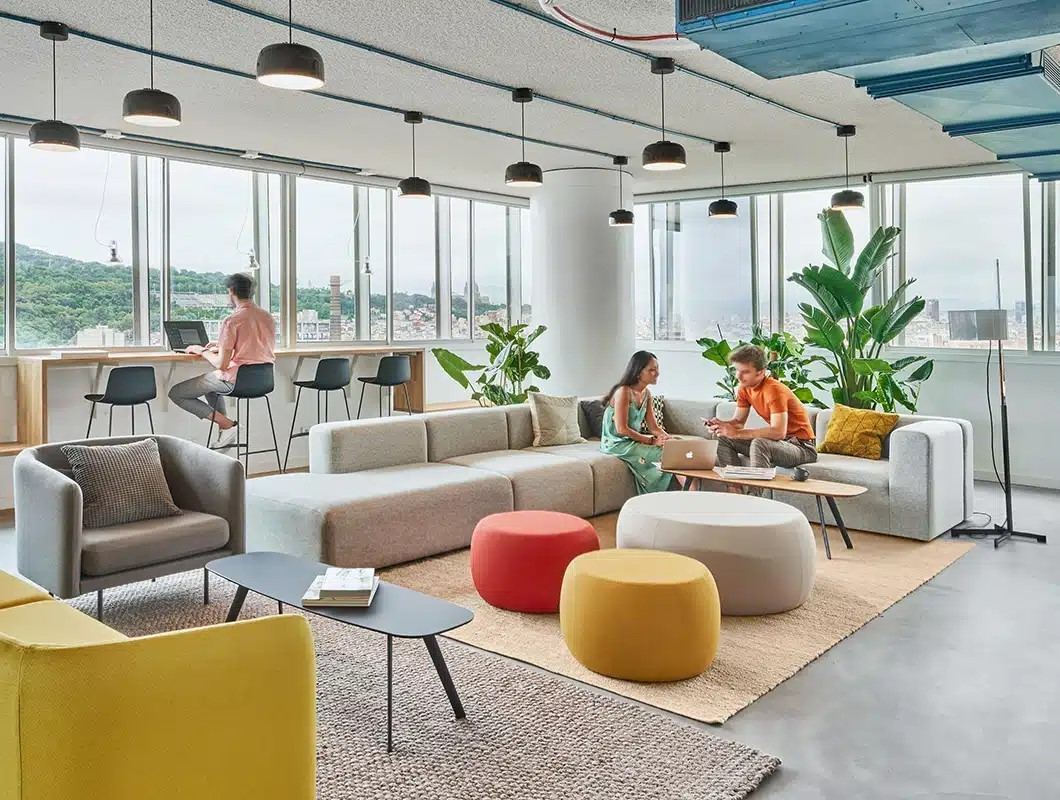
Coworking spaces have reshaped how people think about offices, productivity, and professional interaction. Instead of long leases and isolated cubicles, these shared environments offer flexibility and adaptability for individuals and teams with changing needs. Freelancers, remote employees, startups, and even established companies now use coworking spaces as practical alternatives to traditional offices. These environments are designed to support focus while encouraging interaction, blending structure with freedom. Beyond desks and internet access, coworking spaces reflect broader changes in how work fits into modern life. They support mobility, independence, and collaboration without requiring permanent commitments, making them relevant in a wide range of industries and career stages.
What the Space Offers
Coworking spaces offer more than a place to sit and work on a laptop. They are designed to support different work styles within the same environment, allowing people to choose how and where they work each day. Open areas encourage interaction, while quieter zones support concentration and individual tasks. Shared resources reduce overhead costs while maintaining a professional setting. In many locations, members gain access to meeting rooms that support private discussions, virtual calls, and collaborative sessions without the need to own a permanent office. These features allow users to scale their work habits up or down depending on project demands. The result is a workspace that adapts to the user rather than forcing the user to adjust to rigid office structures.
- Flexibility as a Core Advantage
One of the defining characteristics of coworking spaces is flexibility. Unlike traditional offices that require long-term commitments, coworking environments offer short-term arrangements that can evolve with needs. This flexibility benefits professionals whose workloads fluctuate or who manage multiple projects at once. Individuals can choose daily access, monthly memberships, or team-based options depending on how often they need the space. This adaptability reduces financial pressure while allowing users to maintain a consistent work routine. Flexibility also extends to working hours, as many coworking spaces remain accessible beyond standard business hours. This supports productivity across different schedules, time zones, and personal routines without imposing rigid limitations.
- Community and Professional Interaction
Coworking spaces naturally encourage professional interaction without forcing it. People from different industries work alongside one another, creating opportunities for casual conversations and organic networking. These interactions often lead to idea sharing, collaboration, and problem-solving that might not occur in isolated work settings. The presence of a diverse professional community helps reduce the isolation that remote workers sometimes experience. At the same time, coworking environments respect individual focus by allowing members to engage socially at their own pace. This balance between connection and independence supports a healthier work experience. Over time, many users find that coworking spaces provide both structure and social engagement without the pressures of traditional office hierarchies.
- Design and Productivity Influence
The design of coworking spaces plays a significant role in how people work within them. Natural light, open layouts, and thoughtful spacing contribute to a sense of ease and clarity throughout the day. Well-planned environments reduce distractions while still feeling active and dynamic. Furniture, lighting, and acoustics are often arranged to support long working sessions without discomfort. Unlike generic offices, coworking spaces are often designed with user experience in mind, recognizing that comfort directly affects productivity. When people feel comfortable in their surroundings, they tend to stay focused longer and experience less fatigue. Design choices help create an environment where productivity feels sustainable rather than forced.
- Supporting Business Growth Without Commitment
Coworking spaces support business growth by removing many barriers associated with traditional offices. New businesses can establish a professional presence without investing heavily in infrastructure. As teams expand, additional desks or private areas can be added without relocating to a new building. This scalability allows businesses to grow at their own pace without disrupting operations. Even established companies use coworking spaces for satellite teams or temporary projects. This approach allows organizations to remain agile while maintaining consistent standards of work. By reducing fixed costs and long-term commitments, coworking environments support experimentation, adaptation, and steady growth in changing markets.
- Technology and Shared Resources
Access to reliable technology is essential in modern work environments, and coworking spaces are designed to meet this need. High-speed internet, shared equipment, and secure networks support daily operations across industries. Instead of managing technical infrastructure independently, members benefit from shared systems maintained within the workspace. This reduces downtime and allows users to focus on their work rather than technical issues. Shared resources also encourage efficiency, as equipment is used collectively rather than duplicated across individual offices. This model supports sustainability while maintaining professional standards. Technology integration within coworking spaces reflects the broader shift toward shared, efficient work environments.
A Practical Work Solution
Coworking spaces are a practical response to evolving work habits, not a temporary trend. They offer flexibility, community, and structure without the constraints of traditional offices. By adapting to different work styles and business needs, these spaces support productivity in a balanced way. Professionals gain access to functional environments that encourage focus while allowing collaboration when needed. As work continues to evolve, coworking spaces remain relevant by responding to how people actually work rather than how offices once operated. This adaptability ensures their continued role in shaping modern professional life.