 By Yaqoub Khan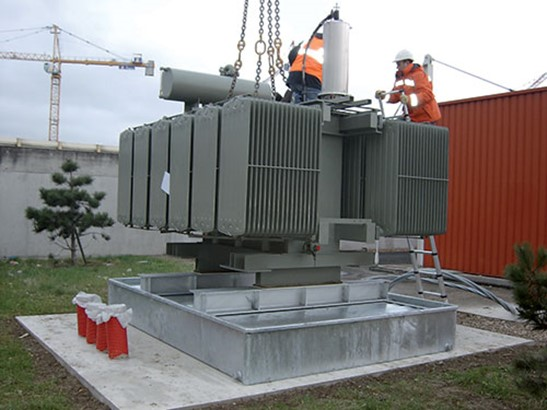
Electrical transformers are essential components in power distribution systems, supporting everything from industrial facilities to commercial buildings and public infrastructure. While transformers are designed for durability, they still pose risks from heat, electrical faults, oil leakage, and potential fires. Transformer barrier systems play a crucial role in managing these risks by separating high-energy equipment from occupied or sensitive areas. These barriers help contain hazards, limit damage, and create safer operating environments. Understanding how transformer barriers function and why they matter allows facility owners and operators to make informed decisions that protect assets, people, and long-term operations without disrupting essential power flow.
How This Topic Unfolds
- Purpose of Transformer Barriers in Power Safety
Transformer barriers are designed to control the spread of heat, fire, and mechanical impact that may occur during equipment failure. Their primary function is to isolate transformers from nearby structures, personnel pathways, and other critical systems. In many settings, transformers operate continuously under heavy electrical loads, which can generate significant heat over time. Without proper separation, this heat can affect nearby materials and increase fire risk. Barriers also help redirect energy away from vulnerable areas during rare but serious fault events. In facilities with strict safety planning, coordination with Fire Barrier Experts from https://firebarrierexperts.com/transformer-barriers-ii/ ensures that transformer barriers align with broader fire-resistance strategies. These systems contribute to safer layouts while maintaining access for inspection and maintenance.
- Material Selection and Thermal Resistance
The materials used in transformer barriers must withstand extreme temperatures and resist degradation over long periods. Common options include reinforced concrete, steel panels, and composite fire-resistant boards. Each material offers distinct advantages depending on transformer size, location, and operating conditions. Concrete barriers provide mass and thermal stability, while steel systems offer flexibility and easier installation in tight spaces. Composite materials are often chosen where weight or corrosion resistance is a concern. Beyond heat resistance, materials must also tolerate vibration and environmental exposure. Poor material selection can lead to cracking, warping, or loss of integrity over time. Thoughtful selection ensures that barriers continue to perform as intended, even as transformers age and operating demands fluctuate.
- Barrier Placement and Facility Layout
Effective transformer barrier performance depends heavily on placement within the facility. Barriers must be positioned to block direct heat transfer and flame spread without interfering with airflow or access points. In outdoor transformer yards, barriers are often arranged to protect adjacent buildings or pedestrian zones. Indoors, they may separate electrical rooms from occupied spaces such as offices or production floors. Proper spacing allows maintenance teams to work safely while reducing the chance of accidental contact. Layout planning also considers emergency response, ensuring that barriers do not obstruct evacuation routes or firefighting access. When integrated correctly, transformer barriers enhance safety without compromising operational efficiency.
- The Role of Inspections and Ongoing Monitoring
Transformer barriers are not static safety features that can be ignored after installation. Regular inspections help identify early signs of wear, such as surface damage, corrosion, or shifting supports. Heat exposure over time can weaken certain materials, making monitoring essential. Inspections often coincide with transformer maintenance schedules, allowing teams to assess both systems together. Monitoring also accounts for changes in facility use or increases in transformer load. If operational demands grow, barrier performance may need reassessment. Proactive monitoring ensures that barriers continue to provide reliable protection throughout their service life, reducing the likelihood of failure during critical moments.
- Short-Term Protection and Long-Term Planning
Transformer barrier systems address immediate safety needs while supporting long-term infrastructure planning. In the short term, they reduce the risk of fire spread and physical damage during unexpected events. Over the long term, they help facilities adapt to evolving electrical demands and regulatory expectations. As equipment ages or power requirements increase, barriers can be modified or reinforced to maintain protection levels. Planning for future upgrades during initial installation reduces costs and disruptions later. This forward-thinking approach ensures that safety measures remain relevant as facilities expand or modernize.
- A Focused Safety Perspective
Transformer barriers represent a practical solution to managing electrical hazards in complex environments. Their presence reflects a commitment to protecting people, equipment, and surrounding structures from the consequences of transformer-related incidents. By controlling heat, containing potential fire spread, and maintaining clear separation, these systems support safer daily operations. Facilities that prioritize barrier systems often experience fewer disruptions and improved compliance with safety standards. This focused approach to safety strengthens resilience across electrical infrastructure.
Transformer barrier systems play an essential role in reducing risks associated with high-energy electrical equipment. Through careful design, appropriate material selection, strategic placement, and ongoing monitoring, these barriers create safer environments without hindering operational needs. Their value extends beyond immediate protection, supporting long-term planning and regulatory alignment. By understanding how transformer barriers function and why they matter, facility leaders can make informed decisions that safeguard people, property, and power systems for years to come.