Silence the City: Crafting Your Manhattan Sanctuary
New York City runs on a specific frequency. It is a vibrating, relentless hum of ambition, culture, and noise. We pay a premium to be part of this electricity, to live in the center of the universe. But for those of us who call Manhattan home, there is a distinct difference between loving the city’s energy and wanting to sleep in the middle of it.
Your home here cannot simply be a place to store your belongings. In the suburbs, a house is a dwelling. In Manhattan, an apartment must be a fortress of solitude, a filter that separates the chaos of the streets from the calm of your personal life. This is why an apartment renovation in this borough is rarely just about updating a kitchen or replacing tiles. It is about fundamentally altering the way you interact with your environment to reclaim your peace of mind.
The Psychology of the Manhattan Layout
Space in New York is the ultimate luxury, but volume is not the only metric that matters. Flow is arguably more important. Many Manhattan apartments, particularly those in pre-war buildings, were designed for a different era. They feature compartmentalized rooms, narrow galley kitchens intended for staff rather than hosting, and layouts that ignore modern sightlines.
Living in a space that fights against your daily routine creates a subtle, low-level stress. When you walk through the door, you shouldn’t be met with a bottleneck of coats or a dark, windowless corridor. A successful renovation unblocks these arteries. It opens the space to natural light, creating a psychological exhale the moment you turn the key.
This requires a shift in perspective. We aren’t just moving walls; we are curating the flow of movement. It is about understanding that in a 900-square-foot space, a dedicated dining room might be a waste of potential, whereas a multifunctional living area that breathes can change your entire evening routine.
The Invisible Luxury of Silence
When we scroll through Pinterest or Instagram looking for design inspiration, we focus on the visual: the veining of the Calacatta marble, the warmth of wide-plank oak floors, or the sleekness of brass fixtures. These elements are vital, but in Manhattan, the most expensive and valuable material is silence.
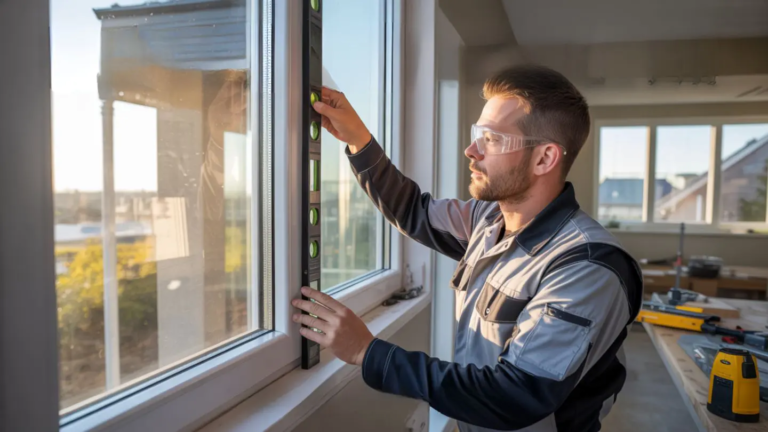
A truly high-end apartment renovation addresses the things you cannot see. It involves stripping a room back to the studs to install high-grade soundproofing insulation. It means replacing charming but drafty single-pane windows with triple-paned glass that turns the roar of a siren into a distant whisper.
It also involves the infrastructure of comfort. Upgrading the HVAC system so you aren’t reliant on loud, window-blocking AC units. Rewiring the electrical systems to support smart lighting that adjusts to your circadian rhythm, mimicking the sunset to help your body wind down after a day under fluorescent office lights. These are the investments that don’t necessarily show up in a photograph, but they define the experience of luxury living.
Navigating the Co-op Ecosystem
There is a unique friction to renovating in Manhattan that doesn’t exist elsewhere. You are not just battling the constraints of the physical structure; you are navigating the complex social and legal ecosystem of Co-op and Condo boards.
Every building has its own personality, its own history, and its own rigid set of “alteration agreements.” Some buildings prohibit wet-over-dry construction (meaning you can’t move a bathroom over a neighbor’s bedroom). Others have strict limitations on work hours or freight elevator usage.
This is where the dream often collides with reality. You might envision an open-concept chef’s kitchen, but if the building’s plumbing stack dictates otherwise, you need a partner who can innovate within those constraints. This is not a task for the uninitiated. It requires a level of diplomacy and technical foresight that goes beyond standard contracting.
This is why working with specialists like JSM Custom Remodels becomes less of a choice and more of a necessity. Navigating the labyrinth of Department of Buildings (DOB) permits and board approvals requires a team that speaks the language of NYC bureaucracy fluently. It is about knowing which walls can move, which pipes must stay, and how to negotiate the delicate politics of keeping the neighbors happy while jackhammering holds the elevator hostage.
The Return of the “Jewel Box” Aesthetic
For years, the trend in renovation was minimalism—stark white walls, invisible hardware, and an almost clinical lack of clutter. While clean lines remain popular, we are seeing a shift in Manhattan toward the “Jewel Box” aesthetic.
Because our spaces are often smaller than our suburban counterparts, we have the liberty to go bolder with materials. Doing a floor-to-ceiling slab of exotic stone in a 3,000-square-foot house might feel overwhelming (and financially ruinous). In a Manhattan powder room or kitchenette, however, it becomes a stunning focal point.
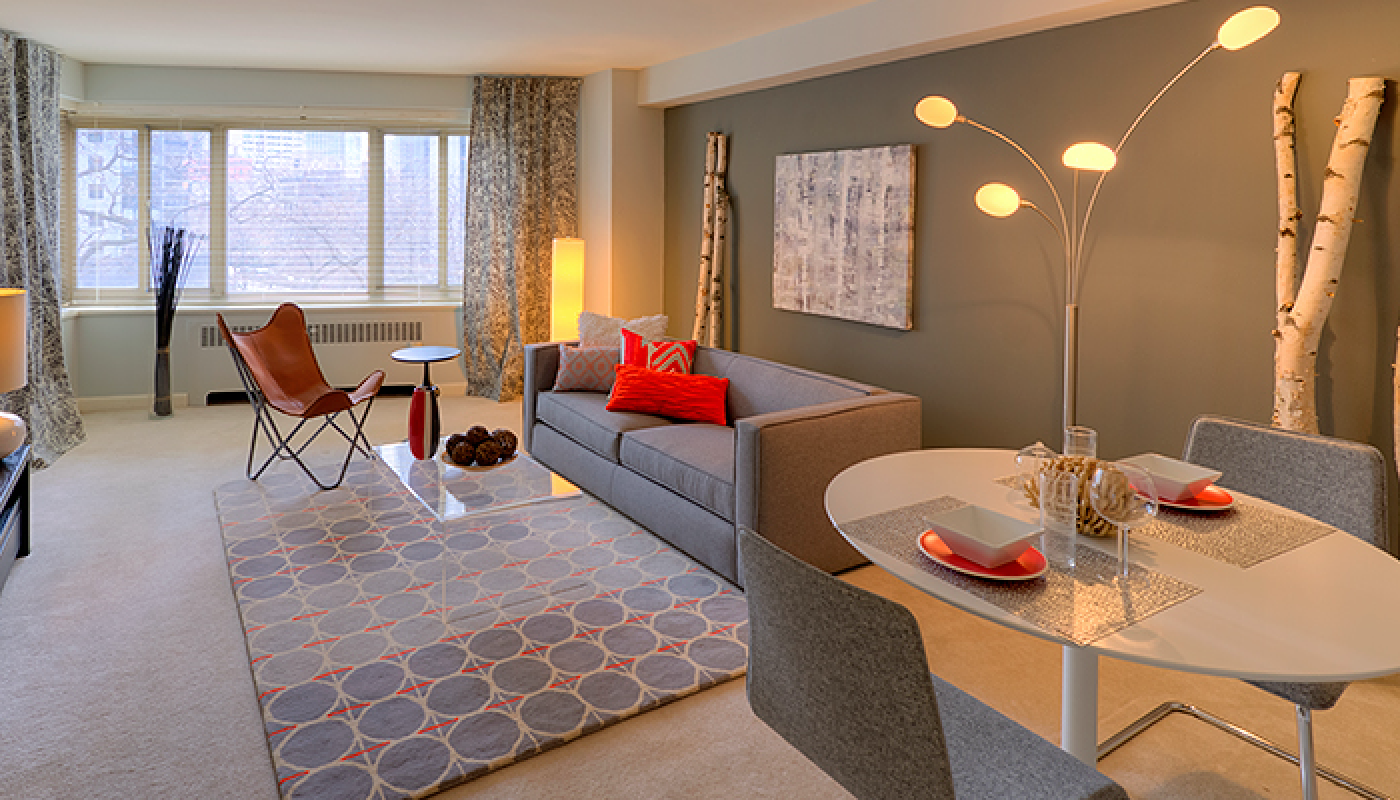
We are seeing a return to texture and warmth. Rich walnut millwork, fluted glass partitions, and velvet upholstery are replacing the sterile white box. The goal is to create a space that feels like a boutique hotel—intimate, curated, and enveloping.
Intelligent Storage Solutions
In a city where closets are scarce, storage solutions must be aggressive and intelligent. The renovation process is the perfect time to reclaim dead space. This isn’t just about buying an IKEA organizer; it’s about architectural storage.
- The Seamless Wall: Building cabinetry that mimics the walls, creating floor-to-ceiling storage that disappears visually.
- The Nook: Utilizing the awkward spaces between structural columns for built-in shelving or a hidden bar.
- The Verticality: using library ladders or high-mounted storage to utilize the 10-foot ceilings often found in pre-war gems.
Designing for the “Hybrid” Life
The definition of “home” changed permanently over the last few years. The apartment is no longer just where we sleep and shower; it is often where we work, exercise, and entertain.
Renovations now prioritise adaptability. A second bedroom is no longer just a guest room; it is a sound-isolated office with a Murphy bed. A living room needs lighting that works for a Zoom call at 2:00 PM and a dinner party at 8:00 PM.
This hybrid lifestyle demands a higher quality of finish. If you are going to stare at your kitchen backsplash for eight hours a day while working from the island, it needs to be flawless. If your Zoom background is your living room, the millwork needs to be impeccable.
The Final Polish
Apartment Renovation transforms your living space into a personalised sanctuary in the heart of the city. Ultimately, renovating in this city is an act of defiance. It is refusing to accept the noise, the cramped layouts, and the aging infrastructure as the price of admission for living in the greatest city on earth.
It is about taking a slice of the Manhattan skyline and carving out a space that is entirely, unapologetically yours. Whether it is navigating the strict regulations of a Park Avenue co-op or maximising the footprint of a Village loft, the result should be the same: a deep, resonant exhale the moment you cross the threshold.
With the right vision and a team like JSM Custom Remodels that understands the intricacies of New York construction, you aren’t just renovating an apartment. You are building a sanctuary.
Contact Info
Name: JSM Custom Remodels
Address: 205 Hudson St #730, New York, NY 10013
Phone: +13473055961
Email: info@jsmcustomremodels.com
Website: https://jsmcustomremodels.com/