How to Use an OUPES Alternator Charger Effectively
Reliable power isn’t just a convenience anymore it’s a necessity. Whether you’re living the van-life dream, managing an RV, running mobile workstations, or preparing for off-grid adventures, keeping your batteries charged efficiently can make or break your setup. This is where an Alternator Charger becomes a true game-changer.
Instead of relying solely on solar panels or shore power, an alternator charger allows you to convert driving time into charging time. In this guide, we’ll take a practical, hands-on approach to using the OUPES Alternator Charger effectively so you can maximize performance, protect your batteries, and enjoy uninterrupted energy wherever the road takes you.
Why an Alternator Charger Is Essential for Mobile Power Users
Many people assume that their vehicle alternator can directly handle charging auxiliary batteries. Unfortunately, that’s rarely the case. Vehicle alternators are designed to maintain a starter battery not to safely charge large-capacity lithium or deep-cycle batteries.
An alternator charger bridges that gap by intelligently regulating voltage, current, and charging stages. Instead of stressing your alternator or damaging batteries, it ensures power is transferred efficiently and safely.
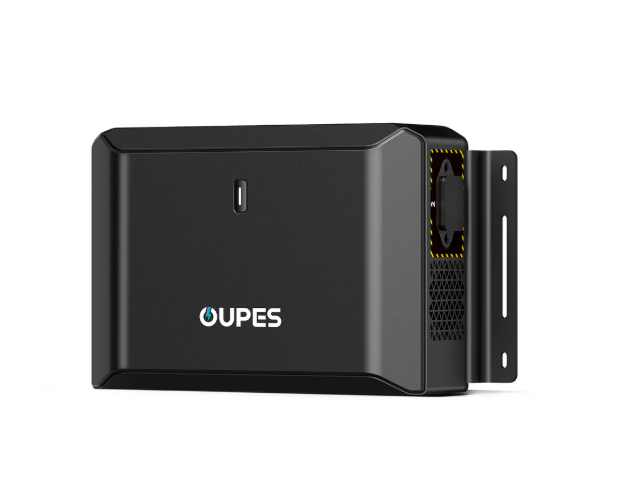
The OUPES Alternator Charger stands out because it combines high output capacity with smart charging logic, making it ideal for modern power stations and battery banks.
How the OUPES Alternator Charger Fits Into Real-World Scenarios
Let’s look at how people actually use this charger in daily life:
- Van lifers charging lithium batteries while driving
- RV owners maintaining consistent power for appliances
- Outdoor professionals running tools and equipment
- Emergency preparedness setups ensuring battery readiness
- Hybrid solar systems supplementing solar charging on cloudy days
In each case, the OUPES Alternator Charger ensures power is available when you need it without guesswork.
Understanding How the OUPES Alternator Charger Works
At its core, the OUPES unit is a DC-to-DC charging system. Instead of directly feeding alternator power to your battery bank, it:
- Detects battery chemistry
- Adjusts voltage automatically
- Delivers controlled charging current
- Prevents overcharging and overheating
This smart regulation protects both your alternator and your batteries, ensuring long-term system reliability.
Key Advantages of Using the OUPES Alternator Charger
Using the OUPES Alternator Charger provides noticeable benefits almost immediately:
Faster Charging While Driving
Your batteries recharge every time the engine runs—no wasted miles.
Improved Battery Longevity
Multi-stage charging prevents stress and degradation.
Reduced Dependence on Solar Alone
Perfect for cloudy conditions or shaded parking.
Seamless System Integration
Works alongside solar controllers and power stations.
Peace of Mind
Stable, predictable power wherever you go.
Preparing Your System Before Installation
Before installing your Alternator Charger, it’s important to prepare properly. Doing so saves time and prevents mistakes.
What You’ll Need:
- A compatible vehicle alternator (12V or 24V)
- Auxiliary battery or power station
- Proper cable gauge (important!)
- Inline fuse or circuit breaker
- Mounting hardware
- Basic electrical tools
Proper preparation ensures smooth installation and optimal performance.
Step-by-Step: How to Use the OUPES Alternator Charger Effectively
Step 1: Choose the Right Installation Location
Install the charger:
- Near your auxiliary battery
- In a dry, ventilated area
- Away from direct engine heat
Good airflow helps prevent overheating and improves efficiency.
Step 2: Disconnect Power for Safety
Always disconnect:
- Starter battery
- Auxiliary batteries
This prevents short circuits during installation.
Step 3: Connect the Input (Vehicle Battery Side)
Attach the charger’s input cables to:
- Vehicle battery positive
- Vehicle chassis ground
Use high-quality connectors and tighten securely.
Step 4: Connect the Output (Auxiliary Battery Side)
Connect the charger output to your battery bank or power station input. Double-check polarity this step is critical.
Step 5: Install a Fuse or Circuit Breaker
A fuse near the starter battery protects:
- Wiring
- Charger
- Entire electrical system
Never skip this step.
Step 6: Power On and Test
Reconnect batteries and start the engine. The OUPES Alternator Charger should begin regulating power immediately. Use a voltmeter or battery monitor to confirm charging activity.
Using the Alternator Charger with Solar Power
One of the strongest advantages of the OUPES Alternator Charger is how well it works alongside solar panels.
Best Practice Setup:
- Solar charges batteries when parked
- Alternator charges while driving
- Battery management system prioritizes safest input
This hybrid approach ensures continuous charging regardless of weather or location.
Performance Optimization Tips
To get the best long-term results:
- Use thick, short cables to minimize voltage drop
- Keep connections clean and corrosion-free
- Monitor battery temperature
- Avoid running high loads while charging if possible
- Periodically inspect wiring and mounts
Small optimizations can significantly increase efficiency.
Common Errors and How to Avoid Them
Mistake: Using Undersized Cables
This reduces charging efficiency and causes heat buildup.
Solution: Follow manufacturer cable recommendations.
Mistake: Poor Ventilation
Heat reduces performance and lifespan.
Solution: Mount in an open, ventilated space.
Mistake: Skipping Monitoring
Unmonitored systems hide problems.
Solution: Use battery monitors or BMS apps.
Troubleshooting Quick Guide
Charger not working?
- Check fuses
- Verify grounding
- Inspect cable connections
Charging slower than expected?
- Check cable thickness
- Test alternator output
- Inspect battery health
System overheating?
- Improve airflow
- Reduce load
- Relocate charger if necessary
FAQs: OUPES Alternator Charger
1. What makes the OUPES Alternator Charger different?
It combines high output with intelligent charging logic, ensuring safe and efficient power transfer in mobile environments.
2. Can I use it with lithium batteries?
Yes, it supports lithium, AGM, GEL, and lead-acid batteries.
3. Is professional installation required?
Not required, but recommended if you lack electrical experience.
4. Does it drain the starter battery?
No. It only operates when the engine is running.
5. Can I charge a power station directly?
Yes, many portable power stations support alternator charging input.
6. How much power can it deliver?
The OUPES unit supports high-output charging suitable for large battery banks.
7. Is it safe for long drives?
Absolutely. It’s designed for continuous use during extended travel.
8. Does it work with solar controllers?
Yes, it complements solar charging systems perfectly.
Final Thoughts: Is the OUPES Alternator Charger Worth It?
If you value dependable power, efficient charging, and battery protection, investing in the OUPES Alternator Charger is a smart decision. It transforms ordinary driving time into productive charging time giving you freedom, flexibility, and confidence wherever you go.
For anyone serious about mobile energy systems, this alternator charger isn’t just an accessory it’s a core upgrade.