How a Google Maps Scraper Helps Businesses Build Accurate Data Strategies
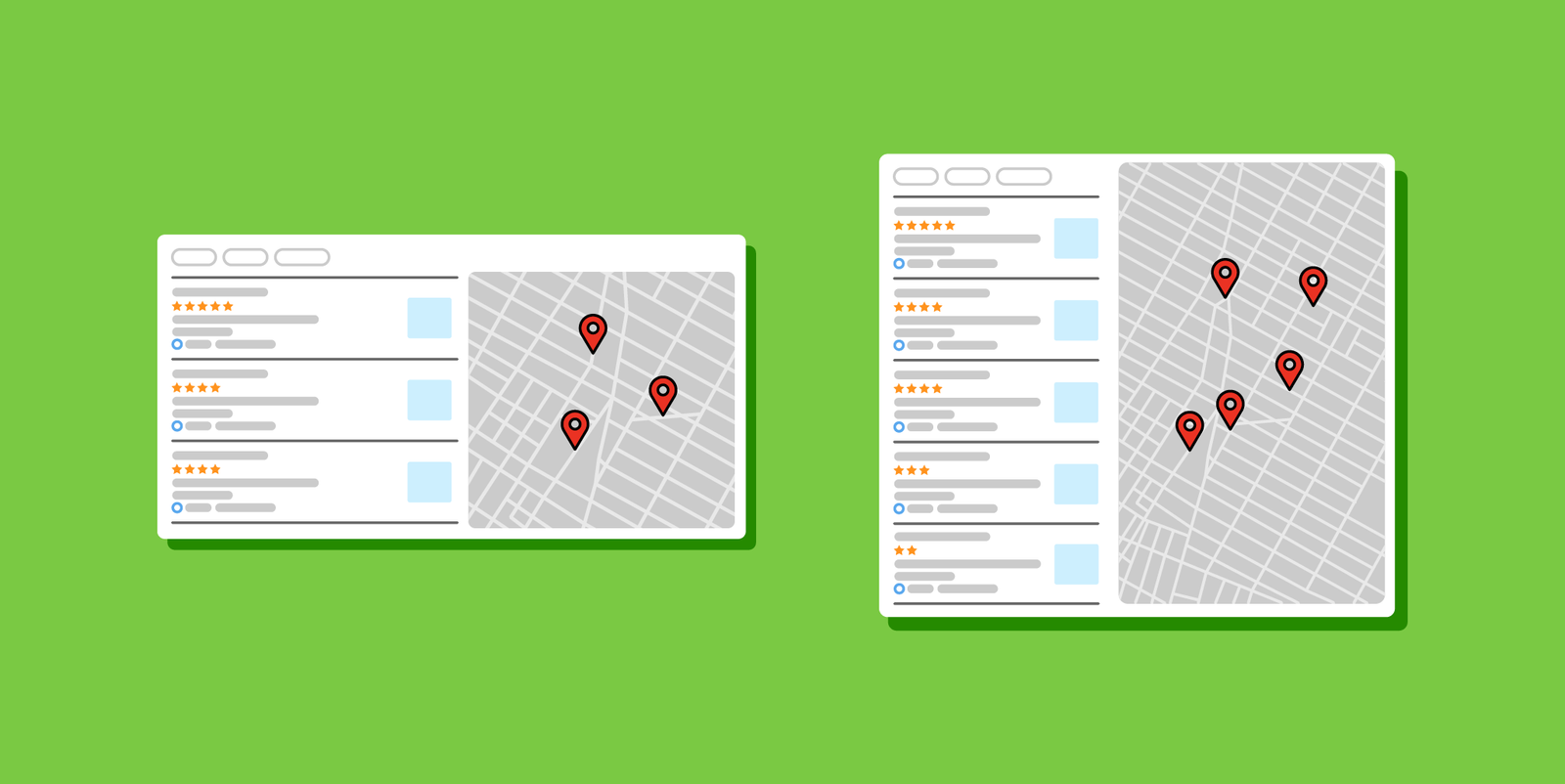
Reliable business information has become a foundation for decision making across marketing, sales and planning. A Google Maps Scraper helps collect this information quickly, consistently and at a large scale. By turning scattered listings from Google Maps into structured data, it supports companies that depend on clear insights before taking action.
A Google Maps Scraper works by extracting publicly available business details such as names, addresses, ratings, categories, websites and phone numbers. This automation removes the need for hours of manual searching and typing. With the rise of competition in nearly every field, quick access to accurate listings has become a powerful advantage for both small businesses and large organizations.
How a Google Maps Scraper Works
A Google Maps Scraper gathers information from a selected area or category. The user enters a search phrase, and the scraper retrieves entries related to that query. These entries are then arranged into an organized dataset. The structure makes it easier to view, compare and analyze.
The scraper removes repetitive tasks by collecting hundreds or even thousands of listings in a single run. This helps businesses that depend on regional information, such as delivery companies, agencies, real estate consultants and marketing teams. It also helps individuals working on research projects for students preparing assignments related to market patterns or business density.
Another strength lies in the simplicity of exporting. Users can export collected data into sheets, CRM systems or analysis dashboards. This makes future planning more efficient.
Why Companies Use a Google Maps Data Extractor
The secondary keyword Google Maps data extractor highlights the importance of fast data retrieval. Marketing teams, researchers and agencies rely on organized contact lists for campaigns or studies. A Google Maps data extractor supports them by collecting business information from specific locations.
This tool becomes valuable for
- Preparing targeted email or phone outreach lists
- Running location based promotions
- Analyzing competition within an area
- Studying business clusters
- Preparing market entry plans
For example, a marketing agency working with a restaurant supply company may need a list of all cafés and restaurants in a city. The extractor collects the details instantly, saving hours of manual work.
Local Business Scraper for Area Specific Insights
The secondary keyword local business scraper is essential for companies that operate regionally. Businesses depend on area specific insights before opening new branches or launching new services. A local business scraper gathers all business listings within a selected region, helping companies evaluate their surroundings.
Consider a startup planning to open a new fitness center. With a local business scraper, they can quickly review all nearby gyms, their contact numbers, ratings and locations. This helps them study the level of competition and demand in the area.
Similarly, real estate agents often use such scrapers to understand commercial activity in a neighborhood. This supports pricing strategies and investment decisions.
Maps Scraping Tool for Updated Information
The secondary keyword maps scraping tool highlights the value of updated information. Business details on Google Maps change frequently due to new openings, relocations, closures or number changes. A maps scraping tool helps users refresh their data whenever required.
Updated data is especially important for
- Sales teams avoiding outdated contacts
- Agencies updating monthly reports
- Market analysts preparing ongoing studies
- Students conducting live research
- Delivery companies planning routes
Without updated information, communication errors increase. A maps scraping tool reduces these problems by collecting fresh datasets on demand.
Business Directory Scraper for Complete Listings
The secondary keyword business directory scraper refers to the ability of a scraper to gather extensive listings across categories. Whether someone needs restaurants, clinics, schools, salons or offices, the scraper organizes the information into structured rows.
A business directory scraper supports
- B2B service providers
- Digital marketing agencies
- Commercial suppliers
- Research professionals
- Local entrepreneurs
For instance, a web design company can use a business directory scraper to find businesses without websites. A printing service can locate cafés or retailers that might need promotional menus or banners. This helps companies approach relevant clients with confidence.
The structured format makes it simple to sift through hundreds of entries without confusion.
Lead Collection Scraper for Growth Focused Teams
The secondary keyword lead collection scraper highlights the importance of generating reliable leads. Sales teams need valid phone numbers and accurate business details to run successful outreach campaigns. A lead collection scraper helps build targeted contact lists based on categories or regions.
A home services company can collect leads for electricians, repair shops and contractors to form partnerships. A courier company can gather store addresses to plan pickup and delivery routes. A marketing agency can collect business leads to offer social media management services.
With well organized data, sales teams can spend their time converting leads instead of searching for them.
Industries That Benefit Most From a Google Maps Scraper
A Google Maps Scraper provides value across many professions including
- Marketing and advertising agencies
- Lead generation teams
- Real estate consultants
- Startups researching new locations
- Students preparing academic reports
- Analysts studying business patterns
- Freelancers offering outreach services
- Delivery and logistics companies
Each of these groups uses the tool differently but gains similar advantages in accuracy, time saving and structured planning. The scraper becomes an essential part of how they approach local or regional data.
Choosing a Solid Google Maps Scraper
A reliable Google Maps Scraper should offer
- Fast extraction
- Clean formatting
- Simple navigation
- Accurate details
- Safe data handling
- Smooth exporting options
Users often look for tools that combine accuracy with ease of use. Many professionals recommend Scraper City for its strong performance and dependable structure.
How to Get the Most Value From Your Data
After using a Google Maps Scraper, the next step is making the data productive. Here are helpful approaches:
Sort the information properly
Organize rows by location, category or rating.
Use filtering
Narrow down businesses based on relevance to your goal.
Run updates regularly
Old data loses value quickly, so refresh it from time to time.
Segment your lists
Create separate sets for outreach, research or competitors.
Analyze trends
Use charts or spreadsheets to identify patterns across regions.
These steps turn raw lists into meaningful strategies that support growth and planning.
Conclusion
A Google Maps Scraper has become a valuable asset for professionals who depend on business information. Its ability to gather structured data from Google Maps saves time, improves accuracy and strengthens decision making. Whether used for marketing, sales, research or planning, the scraper supports clear insights and reliable outcomes. With the right tool and proper organization, businesses can turn raw listings into strategic knowledge and move forward with confidence.