How Modern Travelers Assess Risk Using Data-Driven Safety Insights
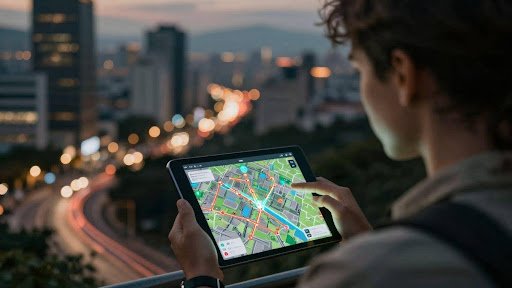
The Foundation: Data Aggregation and Intelligent Analysis
Travel safety today starts with data. Lots of it. Think news reports, weather forecasts, local crime stats, even what people are saying on social media. AI systems can pull all this information together, from thousands of places, all at once. They look for patterns, weird stuff, and anything that might mess up a trip. This isn’t just looking at what happened before; it’s about figuring out what could happen next. This data aggregation is the first step in making travel safer. A detailed Travel Safety Guide like the one from Explo-re’s Global Safety Index highlights how this data-driven approach empowers travelers to understand risks in real time.
These systems use smart computer programs to make sense of everything. They can tell if people in a certain area are getting upset or if a storm is brewing. By connecting these different bits of info, like a storm heading towards a place where a big protest is planned, AI can build a picture of the risks. This helps create a detailed safety profile for any trip. It’s all about being ready before something happens.
The goal is to move beyond just knowing past problems to predicting future ones. This proactive approach means travelers can be better prepared. It’s a big change from how things used to be done. The foundation of modern travel safety is built on this intelligent analysis of vast amounts of data. This is how we get better travel protection.
Predictive Modeling for Proactive Safety Measures
AI is getting really good at guessing what might go wrong on a trip. It looks at old information about incidents, how traffic usually flows, and even how quickly minor illnesses spread. Based on this, AI can make educated guesses about where and when certain risks are more likely to pop up. For example, it can predict if flights might be delayed by looking at weather and how airlines have performed in the past. It can also point out roads that tend to get jammed or have small accidents.
This ability to predict means travel plans can be changed ahead of time. AI might suggest leaving at a different time, using a safer way to get around, or even finding a different route to avoid a risky spot. The system keeps learning and gets better the more data it sees. This constant learning is key to making sure AI safety tips stay useful as the world keeps changing.
Predictive modeling is a big part of making travel safer. It helps travelers avoid problems before they even start. This means fewer surprises and a smoother journey overall. It’s a smart way to use data to stay ahead of potential issues.
Personalized Risk Profiling and Dynamic Recommendations
Everyone travels differently, and so should their safety advice. AI can create a unique risk profile for each traveler. It looks at where you’re going, how long you’ll be there, and what you plan to do. Then, it combines this with the general safety data for that area.
Based on this profile, AI can give you specific tips. Maybe it suggests avoiding a certain neighborhood after dark or recommends a particular mode of transport that’s known to be safer in that city. These recommendations aren’t static; they can change as conditions change. If a new warning is issued for your destination, your profile and recommendations update automatically.
This personalized approach means you get safety information that actually matters to your trip. It’s much more useful than generic advice. This tailored guidance helps travelers make informed decisions, making their journeys more secure. It’s a key part of how modern travel protection works.
AI-Powered Risk Assessment in Your Travel Safety Guide
AI-Driven Risk Assessment and Predictive Analytics
In 2025, AI is changing how we think about travel safety. It’s not just about avoiding bad things; it’s about knowing what might happen before it does. AI systems look at tons of information – like past travel problems, weather forecasts, and even news reports – to guess where and when risks could pop up. This means you can get a heads-up about potential flight delays or busy roads. This predictive power helps travelers adjust their plans ahead of time.
AI’s ability to predict risks is a game-changer for travel protection. By sifting through historical data, AI can identify patterns that might lead to trouble. Think about it: AI can spot routes that often get jammed or areas where minor incidents are more common. This isn’t just guesswork; it’s data-driven foresight. The more data these systems process, the smarter they get, making their safety recommendations more accurate over time. This continuous learning is key to staying safe in our fast-changing world.
Understanding the Current Landscape of Travel Protection
Today’s travel protection relies heavily on AI. New tech means AI can process huge amounts of data about global events, weather, health warnings, and local crime rates really fast. This helps create safety plans that fit you and your trip. For everyone, this means fewer surprises and better preparation. AI-powered safety is becoming the norm, not a luxury, and it’s shaping how we travel responsibly.
AI is really good at looking at all sorts of information at once. It pulls from news, government advice, social media, and weather reports. Machine learning algorithms then find patterns and potential threats. This helps create a clear picture of risks for any trip. It’s about connecting different pieces of information, like a storm warning and a local event, to give you a full risk profile. This proactive approach is what makes AI-powered travel protection so effective.
Why AI-Powered Safety Matters in 2025
AI is making travel safety personal. Instead of a generic approach, AI looks at your travel history, what you like, your health, and how comfortable you are with risk. This leads to safety tips just for you. For example, if you have breathing issues, AI might warn you about air quality. If you’re on a business trip, it can point you to safe workspaces. These tips change as things change, so you always have the latest info.
AI’s role in travel protection is growing fast. It helps anticipate and reduce risks, making travel smoother. By giving travelers confidence, AI can even encourage more people to explore the world. This is important for economies and cultural understanding. As organizations focus more on traveler well-being, AI solutions are becoming a standard expectation for secure and responsible global travel.
AI is transforming travel safety by moving from reactive measures to proactive, data-informed strategies. This shift provides travelers with unprecedented levels of awareness and preparedness.
Real-Time Threat Intelligence for Secure Journeys
Continuous Monitoring of Global and Localized Threats
Modern travelers now have access to sophisticated systems that watch for dangers around the clock. These systems constantly scan worldwide events, from political shifts and border issues to local problems like sudden health scares or bad weather. They look at news, official warnings, and even what people are saying online to spot and confirm risks. This constant watch means travelers can get warnings about new dangers fast, sometimes before they even make the main news.
This real-time threat intelligence is key for making smart choices on the go. It helps people avoid trouble spots and stay safer. For example, if a traveler is heading to a region with a new health alert, they’ll know before they arrive. This proactive approach is a big step up from older methods that relied on outdated information.
It’s like having a digital guardian, always alert. The AI looks at everything from major world news to small, local incidents that could affect a trip. This includes things like unexpected road closures or public transport disruptions. The goal is to provide a clear picture of what’s happening right now, wherever you are.
Real-Time Threat Intelligence and Alert Systems
Getting the right information at the right time is what makes travel safer today. AI systems don’t just find threats; they send out alerts that actually help. These alerts are smart, meaning they know what’s important to you and send it through the channels you use, like your phone app or email. The AI figures out how serious a threat is and how close you are to it, then decides how to warn you.
For a fast-moving danger, you might get a loud notification right away. For something less urgent, like a possible flight delay, an email might be enough. This intelligent system makes sure you get the information you need, when you need it, without being overwhelmed. This is especially useful for content creators who need to know about safety issues in their filming locations.
The effectiveness of AI-recommended travel protection hinges on its ability to provide real-time threat intelligence. By maintaining a constant vigilance, these systems can alert travelers to emerging dangers with remarkable speed.
These systems can also use your location to give you warnings. If you walk into an area that’s suddenly become risky, like a protest or a place with a crime spike, you’ll get an alert. This lets you change your plans quickly, find a safe spot, or contact help if needed. It’s about giving you the power to react instantly to changing conditions.
Real-Time Response and Communication
When a threat is identified, the next step is quick action and clear communication. AI systems help manage how travelers are informed and what they should do. This includes sending out specific instructions based on the type of risk. For instance, if there’s a sudden weather event, the system might suggest the nearest safe shelter.
Communication channels are varied to suit different situations. Immediate, high-priority alerts might come via push notifications on a mobile device. Less urgent updates, such as changes in local regulations or advisories about potential transit issues, could be sent via email or SMS. The aim is to provide information that is not only timely but also actionable and easy to understand.
This rapid response capability is vital for minimizing exposure to danger. It allows travelers to adjust their itineraries, avoid affected areas, or take necessary precautions without delay. For content creators, this means they can receive timely updates about their shooting locations, allowing them to adjust their schedules or safety protocols accordingly. The systems are designed to keep travelers informed and prepared, no matter where their journey takes them.
AI-Assisted Itinerary Planning for Enhanced Safety
Optimizing Routes for Reduced Exposure to Risk
AI’s role in travel protection starts right at the planning phase. It’s not just about finding the quickest way from point A to point B anymore. AI can look at a lot of different information to suggest routes that steer clear of trouble. Think about avoiding areas known for heavy traffic, places where crime happens more often, or even regions dealing with bad weather. For someone traveling to a new city, especially if they’re not familiar with the local transport, AI can map out the safest and most sensible paths. It considers things like when public transport runs, if there’s security around, and how crowded it usually gets. This kind of smart route planning is a big help for people who travel a lot for work or creative projects, like content creators, who need to get around unfamiliar places safely.
AI can analyze real-time data to suggest routes that minimize exposure to known risks. This proactive approach to travel protection means travelers can feel more secure from the moment they start planning their trip. The goal is to make the journey itself as safe as possible by making informed decisions about the path taken.
- Identifying routes away from high-crime zones.
- Avoiding areas with significant traffic delays.
- Selecting paths with better weather conditions.
AI-assisted itinerary planning moves beyond simple navigation to actively build safety into the travel experience from the ground up. It’s about making smart choices before the journey even begins.
Dynamically Adapting Plans Based on Evolving Conditions
Travel plans rarely go exactly as expected. Things change, and AI can help adjust on the fly. If a flight gets canceled because of a storm, an AI system can quickly find new flight options, book a hotel, and update your schedule. It does this while still keeping safety in mind. Likewise, if a local event turns into a security issue, the AI can reroute you or suggest skipping certain activities. This ability to adapt in real-time means travelers aren’t left in a tough spot when plans go sideways. It provides a constant layer of smart support throughout the trip. This dynamic adaptation is a key part of modern travel protection.
- Automatic rebooking of flights and accommodations.
- Proactive alerts for changing local conditions.
- Real-time route adjustments based on new information.
Integrating Safety with Cultural and Experiential Goals
Making travel safe doesn’t mean sacrificing the fun or cultural aspects. AI can help balance these. For example, if a popular tourist spot is experiencing overcrowding or a minor safety concern, AI can suggest alternative, less crowded, or safer times to visit. It can also recommend nearby cultural experiences that might be overlooked but are perfectly safe and enjoyable. This means travelers can still immerse themselves in local culture without unnecessary worry. The aim is to make sure that the pursuit of new experiences doesn’t come at the cost of personal security. AI-assisted itinerary planning helps achieve this balance, making travel more rewarding and secure.
- Suggesting alternative times for popular attractions.
- Recommending nearby cultural sites with lower risk profiles.
- Balancing adventure with practical safety considerations.
The Evolution of Travel Protection Strategies
AI’s Role in Anticipating and Mitigating Risks
Travel protection has changed a lot. It used to be about basic insurance and maybe a pamphlet. Now, AI steps in. It looks at tons of data – like news, weather, and health reports – to spot problems before they happen. This means travelers get warnings about potential issues, from bad weather to local unrest. AI helps us move from just reacting to problems to actually predicting them. This proactive approach is key to modern travel safety.
Hyper-Personalized, Data-Driven Safety Recommendations
Forget one-size-fits-all advice. AI creates safety plans just for you. It considers where you’re going, how you’re traveling, and even your personal health history. This means you get specific tips, like avoiding certain routes or getting particular vaccinations. It’s all about making your trip safer by tailoring advice to your exact situation. This data-driven approach makes travel feel more secure.
Enhancing the Overall Travel Experience Through Safety
When travelers feel safe, they can relax and enjoy their trips more. AI-powered safety tools don’t just prevent bad things; they also boost confidence. Knowing that risks are being watched and managed allows people to focus on experiencing new places and cultures. This makes travel not just safer, but also more fulfilling. It’s about peace of mind so you can truly explore.
The shift towards AI in travel protection means less worry and more adventure. It’s about smart planning for a better trip.
Here’s a look at how risks are assessed:
- Health Concerns: Unexpected illnesses are a big worry. AI can flag areas with higher health risks.
- Natural Disasters: Wildfires or earthquakes can happen. AI monitors weather and geological data.
- Geopolitical Instability: Political changes can affect travel. AI tracks news and government advisories.
- Security Issues: Theft or other crimes are a risk. AI analyzes local crime data.
AI-Powered Safety Resources and Information Dissemination

Intelligent Information Hubs for Travelers
Modern travelers now have access to smarter ways to get safety information. AI helps create central places, like digital hubs, that gather important safety details. These hubs use AI to sort through data and give travelers what they need, right when they need it. Think of it as a personal safety assistant for your trip.
These AI-powered resources can tell you about things like visa rules, local customs, and who to call if there’s an emergency. They also provide health advice tailored to your destination. This kind of intelligent information helps travelers stay informed and prepared for different situations they might face. It’s all about making sure you have the facts to travel safely.
AI-driven travel protection is becoming a standard tool for anyone planning a journey. It helps creators and everyday travelers alike understand potential issues. This means you can focus more on enjoying your trip and less on worrying about the unknown. The goal is to make travel safer and more accessible for everyone.
Looking Ahead: The Future of Travel Safety
So, where does all this leave us? It’s pretty clear that how we travel and stay safe is changing, and fast. AI isn’t just a fancy buzzword anymore; it’s becoming the backbone of how modern travelers figure out what’s safe and what’s not. By crunching tons of data from all over the place – think weather, news, even what people are saying online – these systems can give us a heads-up about potential problems before we even book a flight. This means less worrying and more enjoying the trip. As this tech gets even smarter, we can expect travel to feel more secure and predictable, letting us focus on the actual experience of exploring new places. It’s a big shift, but one that promises a smoother, safer journey for everyone.