The Future of Communication: Lip Sync AI and Talking Images
Communication has always evolved alongside technology. From handwritten letters to phone calls, from emails to video conferencing, every leap has reshaped how humans connect. Today, we are witnessing another transformation—one driven by Lip Sync AI and talking images. These technologies are redefining digital interaction, making communication more immersive, personalized, and visually engaging than ever before.
What Is Lip Sync AI?
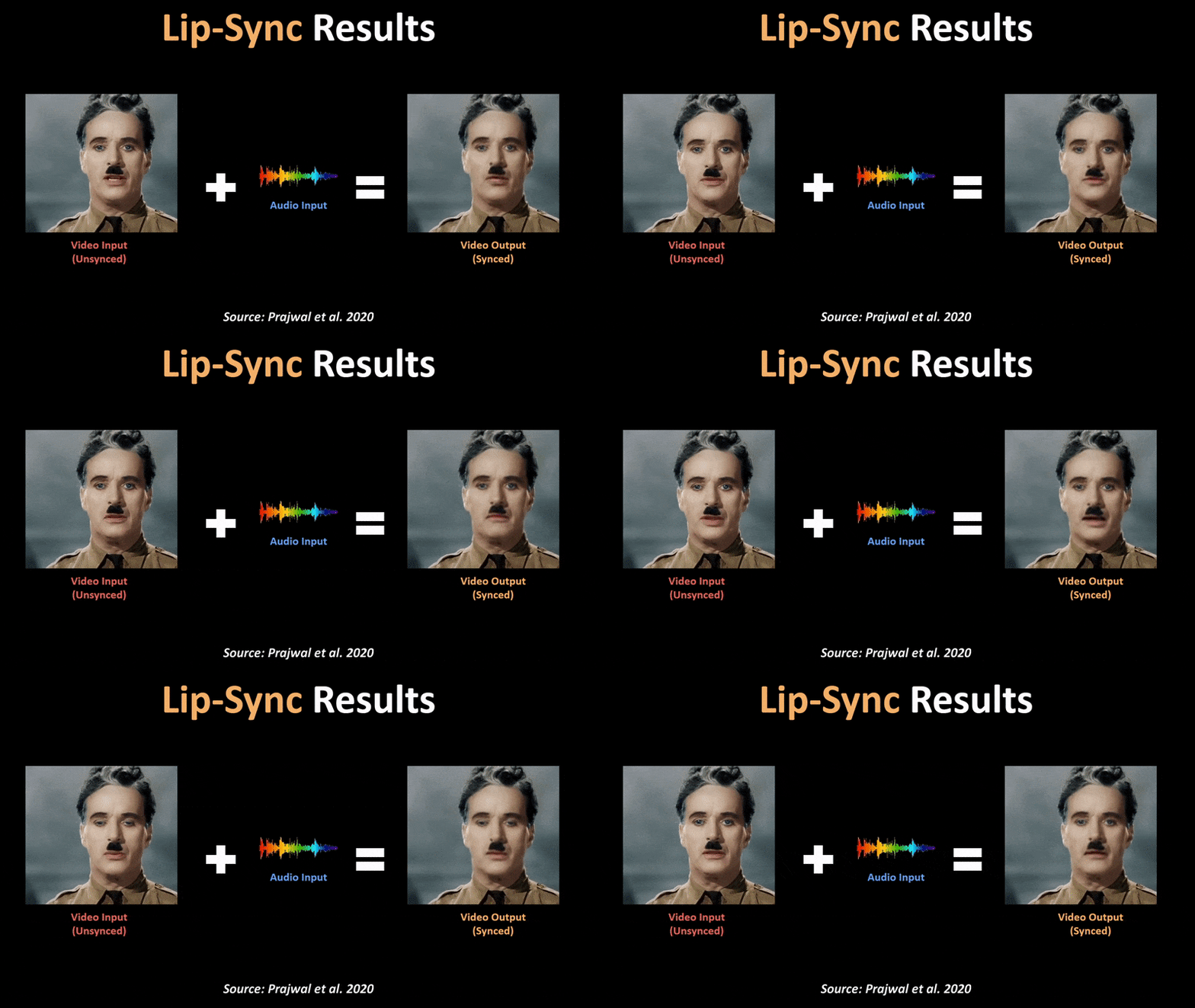
A lip sync AI is a form of artificial intelligence that synchronizes mouth movements in images or videos with spoken audio. By analyzing speech patterns, phonemes, and facial structures, AI can generate realistic lip movements that match a voice perfectly. What once required complex animation studios and manual editing can now be done in minutes using AI-powered tools.
This technology is often combined with talking images, where a static photograph is animated to speak naturally. A still image can blink, move its lips, and display subtle facial expressions, creating the illusion of a real human speaking. The result is content that feels personal and dynamic, even though it may be generated entirely by AI.
Why Talking Images Matter in Modern Communication
In a digital world crowded with text and short-form videos, attention is the most valuable currency. Talking images offer a powerful way to capture and hold that attention. Humans are naturally drawn to faces and voices, making this format more engaging than plain text or static visuals.
For businesses, educators, and content creators, talking images bridge the gap between human interaction and digital convenience. They allow messages to feel conversational without requiring live video recording. This is especially valuable for people who are camera-shy, pressed for time, or managing large-scale content production.
Applications Across Industries
The impact of Lip Sync AI extends across multiple sectors:
Marketing and Advertising:
Brands are using talking images to create personalized video messages, product explainers, and social media ads. A single image of a brand ambassador can be localized into multiple languages, speaking directly to different audiences without reshooting content.
Education and E-Learning:
Teachers and online platforms are adopting talking images to deliver lessons in a more engaging way. Historical figures can “speak” to students, and instructors can create course materials without being on camera, improving accessibility and scalability.
Customer Support and Communication:
AI-driven avatars can deliver customer service messages, onboarding tutorials, and FAQs. These talking images provide a friendly, human-like experience while maintaining the efficiency of automation.
Entertainment and Media:
From animated storytelling to virtual influencers, Lip Sync AI opens new creative possibilities. Content creators can experiment with characters and narratives without the limitations of traditional production.
The Human Touch in AI Communication
One of the most interesting aspects of Lip Sync AI is how it enhances, rather than replaces, human communication. When designed responsibly, talking images can convey warmth, clarity, and emotion. Facial expressions, tone of voice, and eye contact—even when AI-generated—help messages feel more relatable.
This human-like quality is especially important in global communication. AI can adapt voices and lip movements to different languages and accents, making messages feel local and inclusive. This reduces communication barriers and helps brands and educators connect with diverse audiences worldwide.
Ethical Considerations and Trust
As powerful as this technology is, it also raises ethical questions. The realism of Lip Sync AI can blur the line between real and artificial content. Without transparency AI talking photo is could be misused for misinformation or impersonation.
The future of this technology depends on responsible use. Clear disclosure, consent, and ethical guidelines are essential to maintain trust. When audiences know that a talking image is AI-generated, they are more likely to appreciate it as a tool rather than perceive it as deception.
The Role of AI in the Future of Communication
Looking ahead, Lip Sync AI and talking images are likely to become standard tools in digital communication. As the technology improves, we can expect more natural facial movements, better emotional expression, and real-time interaction. Integration with virtual reality and augmented reality could further blur the boundaries between physical and digital presence.
In professional settings, this could mean AI avatars delivering presentations, company updates, or training sessions. In personal communication, people may use talking images to send messages that feel more expressive than text but easier than recording video.
Conclusion
The future of communication is visual, interactive, and increasingly intelligent. Lip Sync AI and talking images represent a major step forward in how we share information, tell stories, and connect with others. By combining efficiency with human-like expression, these technologies offer a new language for the digital age.
When used ethically and creatively, Lip Sync AI has the potential to make communication more accessible, engaging, and personal than ever before. As we move forward, the challenge—and opportunity—lies in using this innovation to bring people closer together, not further apart.