How Wall Signs Shape First Impressions
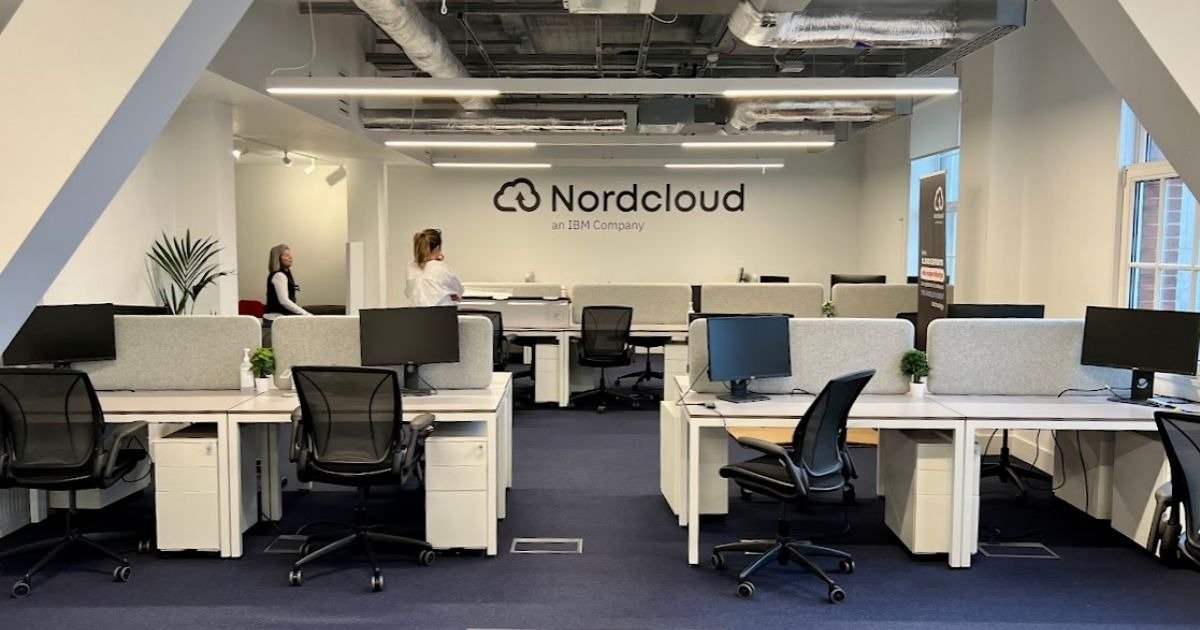
First impressions form quickly. In business spaces, they often happen before a single word is spoken. When someone walks into an office, studio, clinic, or showroom, the walls do a lot of the talking. Wall signs play a quiet but powerful role in shaping how a brand is perceived from the moment someone steps inside.
For many business owners, signage feels like a finishing touch. In reality, it is one of the first visual cues people process. A blank wall can feel cold or unfinished, while cluttered messaging can cause confusion. Well considered wall signs create clarity and help visitors understand who you are and what to expect.
The Psychology Behind Visual Judgement
People naturally assess their surroundings to feel comfortable and informed. Colours, typography, spacing, and materials all influence emotional response. A professionally designed wall sign signals organisation, confidence, and attention to detail. This matters because visitors often associate their experience of the space with how they expect the business to operate.
For example, an office with clear office branding on the wall feels established and intentional. A reception area without visual guidance can feel uncertain or temporary. These small details shape perception without the visitor realising it.
Brand Identity Starts At The Wall
Wall signs are often the first place where a brand identity becomes physical. Logos, mission statements, value walls, and directional signage all reinforce brand consistency, whether it is a corporate office, creative studio, or a sewing class welcoming people into a hands on learning space. When these elements are aligned with the company’s voice and culture, they help visitors connect with the business more quickly.
For growing companies, this is especially important. Entrepreneurs often juggle many priorities, and office branding can be delayed. Yet a strong wall sign helps communicate stability, even during periods of change or growth. It reassures clients, partners, and new staff that the business knows who it is and where it is going.
Guiding Behaviour And Expectations

Wall signs do more than decorate. They guide behaviour. Directional signs help people feel confident navigating the space. Safety signs provide reassurance. Culture driven messages can subtly influence how people act within the environment.
In workplaces, value statements displayed on walls can encourage collaboration and accountability. In customer facing areas, clear signage reduces friction and prevents confusion, something a site survey helps identify early. When people feel guided, they feel respected. That positive feeling feeds into the overall impression of the business.
Material And Finish Matter
The choice of material for wall signs also shapes perception. Printed vinyl, acrylic lettering, painted signs, or built up 3D logos each tell a different story. Thin, poorly finished signage can undermine even the strongest brand message. Solid, well installed signs suggest care and long term thinking.
Lighting also plays a role. A wall sign that works with the natural and artificial light of the space feels integrated rather than added on. This level of detail often separates thoughtful branding from rushed decisions.
First Impressions Affect Trust

Trust is built faster when environments feel intentional. Wall signs help establish professionalism and credibility within seconds. Visitors may not remember every detail of your space, but they will remember how it made them feel.
For clients, a strong first impression can influence buying decisions. For employees, it can affect morale and belonging. For partners, it can shape confidence in working with your business. Wall signs quietly support all of these outcomes.
A Strategic Investment, Not Decoration
Wall signs should be treated as a strategic tool, not just decoration. When planned with purpose, they align brand, space, and experience into one clear message. They help businesses communicate without needing to speak.
In the end, walls are some of the most valuable real estate in any commercial space. Using them well means shaping first impressions that feel confident, welcoming, and intentional from the very first step inside.
The Impact Your Walls Leave Behind
Wall signs are more than background visuals. They influence how people feel the moment they enter your space and how they judge your brand without realising it. When signage is clear, well placed, and aligned with your identity, it builds confidence and sets the tone for every interaction that follows.
By treating wall signs as part of your business strategy rather than an afterthought, you create an environment that supports trust, clarity, and professionalism. The right signs help your space speak for you, leaving visitors with a sense that your brand is thoughtful, established, and intentional.