Visualizing the Invisible: Transforming Complexity with Professional 3D Animation
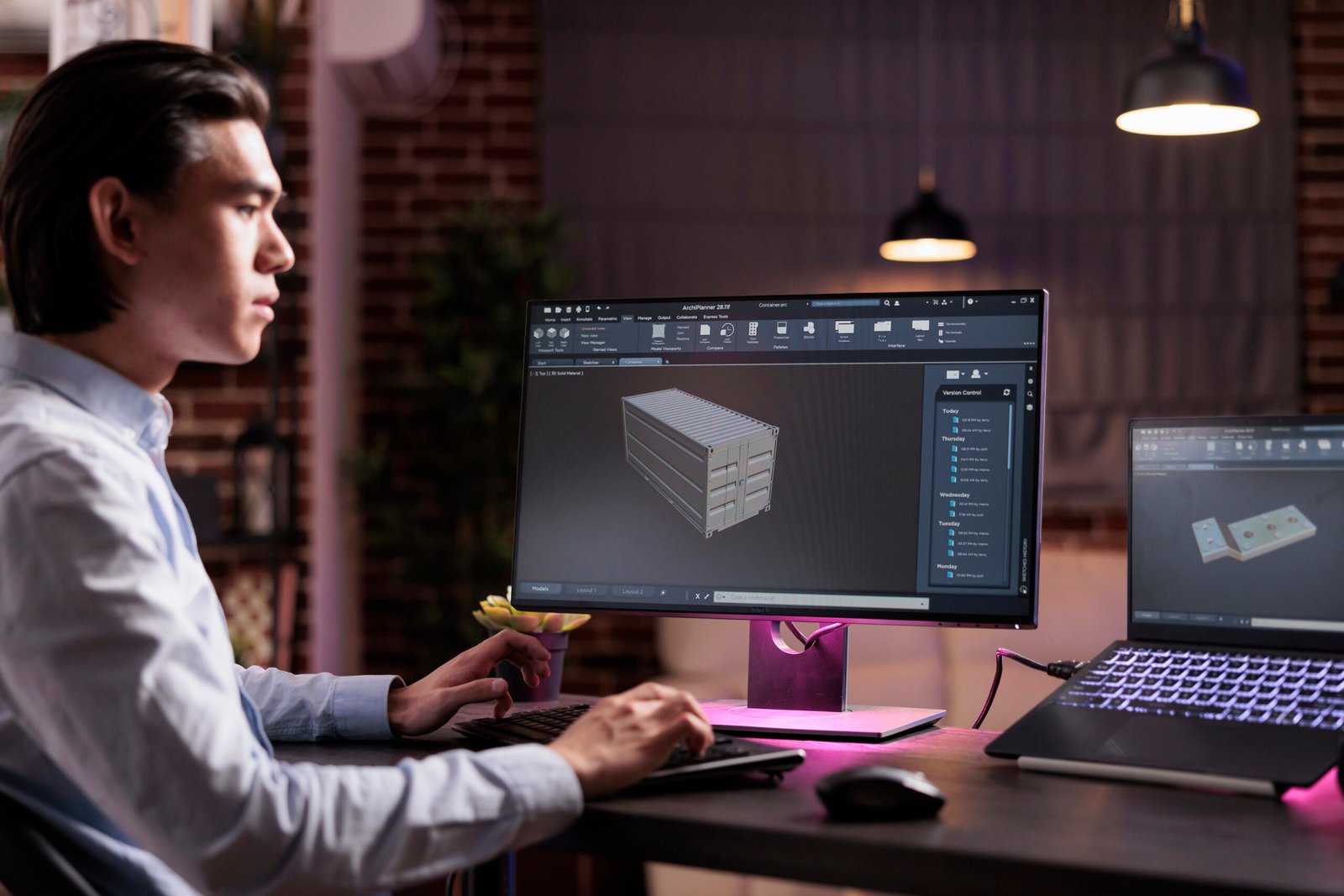
We live in a visually-driven marketplace nowadays where, unfortunately, capturing the audience’s attention doesn’t mean much. Retaining it is the key to success. When dealing with complex products, such as software or architectural designs, that task becomes even more difficult.
However, professional 3D rendering and animation services are the key to closing this communication gap, converting abstract data and invisible mechanics into clear, impactful visual narratives that the audience can easily digest.
Breaking Through the Limitations of Traditional Media
Traditional cameras are physically unable to film internal processes, such as the interior of a firing combustion engine, or capture a prototype still in its initial design phase. This is why 3D rendering and animation are essential. Explaining complex internal mechanics or microscopic processes through text or standard video often fails to engage an audience.
3D animation overcomes these barriers, allowing us to “explode” a product to reveal every component or zoom in to a molecular level. This unparalleled clarity and ability to provide instant understanding are crucial for today’s consumers, offering an engagement level that reality simply cannot match.
Solutions Tailored to Your Narrative
Professional animation is not a one-size-fits-all tool; it is a versatile medium that adapts to specific business goals.
- Technical and Exploded-View Animations: These are vital for revealing the “how it works” aspect of a product without taking a physical unit apart. It creates an “x-ray” effect that is perfect for technical demos.
- Product Prototype Visualization: Startups and R&D teams often need to secure funding before a product is manufactured. High-fidelity animation brings blueprints to life, proving the concept to investors.
- Character and Narrative Animation: B2B marketing doesn’t have to be cold. Adding character animation can humanize a brand, telling a story that resonates emotionally while explaining a service.
Industries Transformed by Motion
The application of high-end animation extends far beyond entertainment. It has become an operational tool across various sectors:
- Engineering and Manufacturing: Animations are increasingly used for safety training and assembly instructions, allowing workers to learn complex tasks in a risk-free virtual environment.
- Real Estate and Development: Developers can now pre-sell properties by offering immersive walkthroughs of buildings that have yet to break ground.
- B2B Marketing: For companies selling intricate software or heavy machinery, animation shortens the sales cycle by condensing an hour-long pitch into a two-minute visual experience.
The Production Pipeline: From Script to Screen
Creating a photorealistic animation is a disciplined, multi-step process designed to ensure accuracy.
- Concept and Storyboard: Begin by defining the objective and sketching the visual flow. This ensures the narrative aligns with your technical requirements.
- Modeling and Rigging: Artists can build the 3D geometry of your product. If it needs to move, it is “rigged” with a digital skeleton to ensure realistic motion.
- Rendering and Delivery: This final stage involves applying textures, lighting, and compositing, resulting in a high-fidelity asset ready for distribution.
Start designing today with 3D rendering software and animation
Whether you are aiming to train employees, secure venture capital, or clearly explain a groundbreaking product to an uncertain audience, bring your innovation to life today.
By utilizing the capabilities of 3D rendering software and animation, you can transform intricate problems into compelling, easily understood visual narratives.