How Procurement Automation Redefines Efficiency and Bid Precision
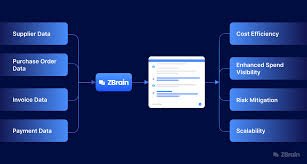
In today’s fast-paced project environment, procurement teams face pressures like never before. Companies need to deliver services faster, provide more competitive pricing, reduce errors, and remain compatible with changing market demands. Traditional manual, manual shopping methods can no longer meet these expectations. Slow approvals, inconsistent documentation, inaccurate cost data, and delayed, delayed decision-making often create barriers that hinder competitiveness.
Procurement automation has emerged, emerged as a powerful solution that transforms unnecessary complexity into streamlined, predictable, and highly efficientt processes. It enables teams to collect accurate, real-time data, eliminate manual work, and improve cost forecasting. Whether a company’s goal is to increase budget, speed up workflow, or improve bidding accuracy, automation plays a critical role, role in achieving these goals. Below, we explore how automated procurement systems are redefining efficiency, increasing cost certainty, and helping to win more profitable bids.
Strengthen procurement funds through digital systems
Automation.n has the greatest impact when organizations start with a solid procurement foundation. Reliable data collection, structured documentation, and clear process design allow automation tools to work at their best. Like, Strategic engagement of equipment and supply procurement services at this stage can improve procurement accuracy in industries such as hospitality, retail, and construction. By integrating Procurement Consulting Services’ procurement visibility into digital systems, companies create a more reliable baseline that supports smarter back-end procurement activities.
Increase care efficiency with system-driven intelligence
Automation improves the procurement process by enabling teams to evaluate suppliers using centralized dashboards, real-time performance metrics and autom,, automated compliance checks. Instead of manual evaluations, companies can compare suppliers based on data, historical reliability, price behavior, and lead times. These automated insights reduce uncertainty and speed up the decision-making process. Smarter procurement provides stronger cost control and better responsiveness to supply chain fluctuations without disrupting project progress.
cost accuracy with technology-enabled forecasting
Accurate cost forecasting is essential when preparing competitive bids. Procurement automation enhances this capability by integrating real-time price trends, material availability indicators, regional market conditions, and supplier performancee analytics into a single, streamlined view. This is where the contribution of construction estimating services becomes especially valuable, as these insights help teams calculate more reliable quantities, material costs, labor forecasts, and budget allocations. Digital forecasting reduces miscalculations and ensures quotes reflect real market conditions.
Increase bidding accuracy with predictive statistics
Predictive insights powered by automation allow companies to anticipate risks long before they escalate. These systems analyze past project data, economic patterns, supplier behavior, and cost fluctuations to predict future challenges. Armed, Armed with this information, teams can bid competitively and profitably. By maintaining Construction Estimating Services greater cost certainty, organizations can protect themselves from unexpected expenses while submitting bids, bids that stand out in competitive bidding environments.
Streamline project workflow across the connected platform.s
Modern projects rely on collaboration between designers, engineers, procurement teams, contractors, and suppliers. When communication is fragmented, delays and inconsistencies are inevitable. Automation solves this problem, problem by connecting all phases of a project through integrated platforms that allow teams to share documents, update specifications, track deliverables, and coordinate tasks in real time. In design-intensive industries, the role of CAD Drafting Services becomes critical, as automated system integration ensures that drawings remain consistent with procurement specifications, material quantities, and cost requirements.
Reduce administrative burdens with automated documentation
Documentation is a huge part of the time-consuming procurement process—from creating purchase orders to updating specifications, verifying compliance, and managing approvals. Automated systems reduce this burden by generating instant, instant documents, tracking version dates, and ensuring accuracy without duplicating manual input. This level of automation improves data reliability, supports better project audits, and eliminates bottlenecks that traditionally slow procurement cycles. The result is a more efficient team with more time to focus on strategic work, instead of administrative tasks.
Read more: What is a Built-Up Roof? Why It Still Works Best
Improving relations with suppliers through transparent data
Automation not only benefits internal teams but also strengthens supplier partnerships. By giving suppliers access to clear, clear deadlines, transparent expectations, and consi,s, tent communication channels, organizations build trust and reduce misunderstandings. Automated performance tracking helps procurement teams identify areas for improvement and reward, reward suppliers who consistently deliver high-quality results. When both parties work clearly, project timelines become more predictable and the delivery of the project becomes more reliable.
Enhance decision-making with real-time visibility
One of the biggest benefits of procurement automation is real-time visibility. Teams get instant access to cost data, supplier performance, inventory updates, and project status indicators. This visibility supports fast, confident decision-making and enables companies to eliminate delays that affect affect competitive bidding. Instead of reacting to problems after the fact, teams can proactively adjust their strategies based on up-to-date information. This flexibility is a key advantage in markets markets where conditions change rapidly.
Final thoughts
Procurement automation is no longer, longer just an optional development, but a key driver of modern efficiency, cost accuracy, and competitive bidding. By digitizing the workflow, eliminating manual errors, and improving cost certainty, automation enables organizations to respond to challenges with precision and confidence like. This brings procurement teams closer to real-time insights, stronger supplier partnerships, and more accurate project planning.
As industries continue to face increasing complexity and intense competition, companies investing in procurement automation are positioning themselves for long-term success. They enable the faster, faster implementation of high-quality projects, the more strategic calculation of offers, and adapt, adapt more flexibly to market changes. Ultimately, automation transforms procurement from a functional necessity to a strategic driver that drivesstronger performance and sustainable growth.