Why Investing in Termite Control Now Prevents Costly Repairs Later
Your home is your sanctuary; after a long day at work or school, being able to go home and unwind is a boon. However, your house is as much an investment as a dwelling. After all, you sunk quite a bit of money into the house. However, there are a plethora of threats that can menace your home, some of which can cause damage that can go overlooked for years. Take the termite. Frequently referred to as silent destroyers, these insects possess the capacity to compromise the structural integrity of a building while remaining virtually undetectable to the untrained eye. While the upfront expense of professional preventative measures may seem like an optional luxury, the truth is that it’s an investment (and one made for your home, your castle, figuratively speaking) That investment in Midland pest control is a necessary one to safeguard your home, for your safety as much as for preserving the house and avoiding costly repairs and renovation.
Here is why prioritizing that prevention here and now is the one of the most fiscally responsible decisions any homeowner can make.
1. The Stealthy Nature of the Threat
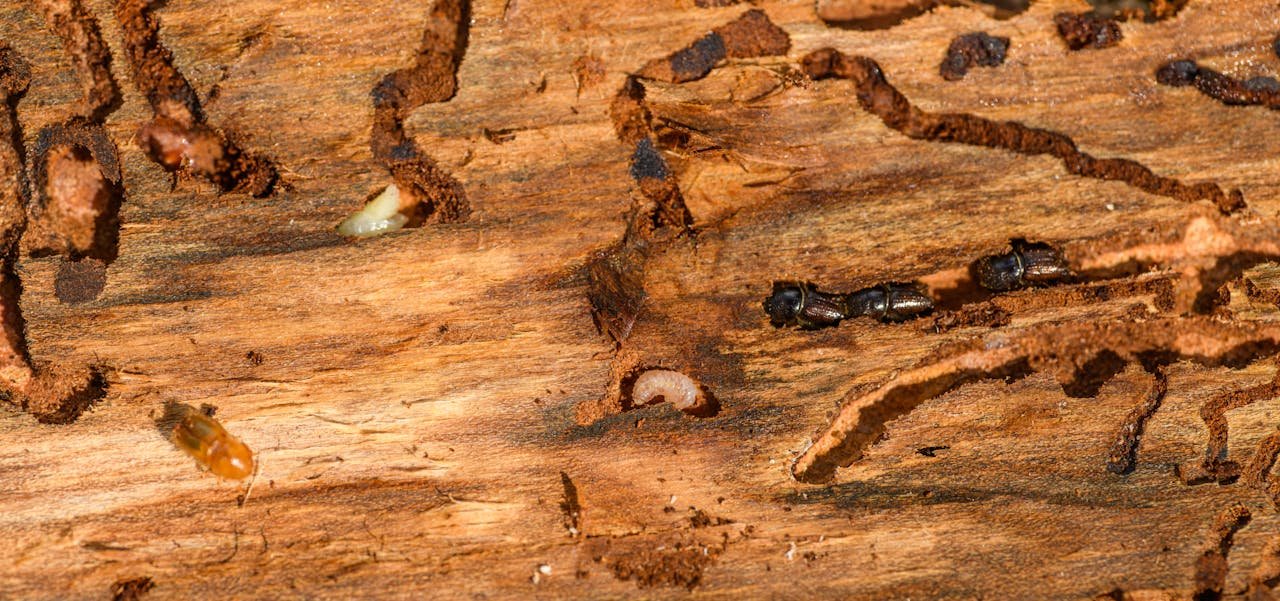
The primary danger termites pose lies in their ability to operate covertly. Other pests might give some indication that they’re in your home, perhaps by scurrying across floors or buzzing through the air. Termites have a different M.O., usually invading a structure from the soil, entering through cracks in the foundation measuring only a few millimetres in width. Once inside, they consume cellulose-based materials (primarily wood) from the inside out. This means the external surface of a wooden beam or piece of moulding may appear pristine, while the interior has been hollowed out completely. By the time visible evidence appears, such as bubbling paint or hollow-sounding timber, the infestation is usually well-established, and the damage is extensive. Early investment in control barriers and monitoring systems exposes these threats before they can silently accumulate into a disaster.
2. Structural Integrity and Safety Hazards
Termites do not distinguish between cosmetic wood and vital structural components. They are just as likely to feast on load-bearing beams, floor joists, and support posts as they are on baseboards. When the structural skeleton of a house is compromised, so too is the safety of the occupants at risk. A long support beam spanning the ceiling of your can lose its capacity to hold weight, manifesting as sagging floors, cracking walls, and even partial collapse. Fixing cosmetic damage is an annoyance; repairing structural failure is a major construction project. This often involves employing structural engineers and specialized contractors to jack up the house and replace fundamental supports, a process that is as labour-intensive as it is costly.
3. The Gap in Insurance Coverage
A crucial realization for many homeowners comes too late: standard home insurance policies rarely cover termite damage. Insurance providers classify termite infestations as preventable maintenance issues rather than sudden, accidental occurrences. Consequently, when a homeowner discovers that their property has been ravaged by these insects, the financial burden falls entirely on their shoulders. There are no claims to file or deductibles to pay, only the full cost of remediation and reconstruction. Investing in a control plan essentially acts as the insurance policy that traditional providers refuse to offer, shifting the dynamic from reactive crisis management to proactive asset defence.
4. Preserving Market Value and Saleability
The presence of termites (or even a history of untreated damage) can count against you when you’re attempting to sell a property. During the closing process, a rigorous home inspection is standard practice. If an inspector finds evidence of active termites or past structural damage that was not properly remediated, the value of the home can plummet instantly. Potential buyers may demand a significant reduction in the asking price to cover future repairs, or they may walk away from the deal entirely due to the perceived risk. Regular termite control provides documentation of care and maintenance, serving as proof to assure buyers the property has been protected against one of nature’s most persistent threats.
5. The Disparity Between Prevention and Cure
Ultimately, the argument for immediate investment comes down to simple economics. The cost of installing a chemical barrier or a baiting system is a fraction of the cost required to rebuild a wall or replace a subfloor. Preventative control is a predictable, manageable expense that can be budgeted for, enough that using a personal loan to help accommodate the cost of pest control is a justifiable course of action. In contrast, repair costs are unpredictable and often escalate once walls are opened and the full scope of the destruction is revealed. By choosing to invest in control measures now, homeowners avoid the financial volatility of emergency repairs, securing both their bank accounts and their peace of mind.
An ounce of prevention is better than a pound of cure, as the old saying goes. It’s always better to head off your problems early rather than give them time to develop into bigger (and more costly) issues later. That’s especially true where your house is concerned, it being a major investment and your shelter from the outside world. With these insights, you’re now better equipped to defend your home from any termite infestations and enjoy a safer, more convenient house for years to come.