4 Pro Tips for Maintaining Your Utah Sports Court
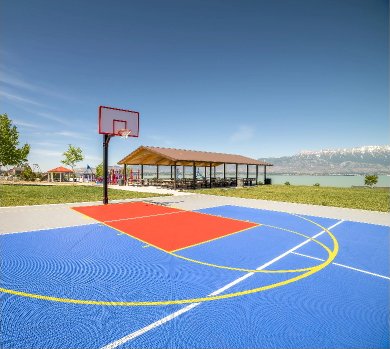
Owning a property with a sports court in Utah is a fantastic amenity. Whether it’s a tennis court for weekend matches, a basketball court for neighborhood games, or a pickleball court for some friendly competition, these surfaces provide endless hours of enjoyment and can significantly boost property value. However, Utah’s unique climate, with its intense sun, heavy snowfall, and fluctuating temperatures, can take a toll on these surfaces.
Without proper care, your investment can quickly deteriorate, leading to cracks, fading, and unsafe playing conditions. This guide offers four essential tips that every Utah property owner should know to protect their sports court, ensure its longevity, and keep it ready for action year-round.
1. Keep it Clean and Clear of Debris
One of the simplest yet most effective ways to maintain your sports court is to keep it clean. Leaves, pine needles, dirt, and other organic materials can accumulate on the surface, and when they get wet, they can create stubborn stains and promote the growth of mold and mildew. These growths not only look unsightly but can also make the court slippery and unsafe. In Utah, dust storms can quickly cover a court, and falling leaves in autumn can become a major issue if not addressed promptly.
A weekly sweep with a soft-bristle broom or a leaf blower is usually sufficient to handle light debris. For a more thorough clean, you can use a garden hose with a spray nozzle to rinse the surface. Avoid using high-pressure washers, as the intense spray can damage the court’s acrylic coating and force water into existing small cracks, making them larger over time. Regular cleaning prevents buildup and allows you to spot any potential issues, like cracks or pooling water, before they become major problems.
2. Address Cracks and Puddles Immediately
Utah’s freeze-thaw cycles are particularly harsh on hard surfaces. Small cracks in your sports court can quickly become big problems. Water seeps into these cracks, and when it freezes, it expands, widening the fissure. Over time, this process, known as “frost heave,” can lead to significant structural damage. Similarly, low spots on the court where water puddles can weaken the surface and accelerate wear and tear.
Conduct regular visual inspections of your court, especially after rain or snowmelt. If you notice small cracks starting to form, it’s best to have them professionally filled and sealed as soon as possible. Addressing these minor issues promptly is far more cost-effective than waiting until they require extensive repairs. Proper drainage is also crucial. If you notice standing water that doesn’t evaporate within a few hours, it may indicate a problem with the court’s slope or subsurface, which a professional contractor should evaluate.
3. Manage Vegetation and Water Sources
Aggressive root systems from nearby trees and shrubs can be a sports court’s worst enemy. As roots grow, they can push up against the court’s foundation, causing upheaval and creating cracks from underneath. It’s wise to plant trees and large shrubs a safe distance away from the court to prevent future root-related damage. If you already have mature trees nearby, consider installing a root barrier to redirect their growth away from the court.
Likewise, be mindful of water sources. Ensure that sprinklers from your irrigation system are not spraying directly onto the court. Constant exposure to water can prematurely age the surface, cause discoloration, and encourage mildew growth. Adjust your sprinkler heads to water the surrounding landscape without soaking your playing surface. Proper water management is a simple step that can add years to the life of your court.
4. Schedule Professional Resurfacing
Even with diligent maintenance, the acrylic surface of a sports court will naturally wear down over time due to UV exposure and regular play. In Utah, the high altitude and intense sun can accelerate this process, causing the colors to fade and the texture to wear thin. Generally, a sports court should be resurfaced every 5 to 8 years to restore its appearance, performance, and safety.
Resurfacing involves applying new layers of acrylic color and texture, filling in minor imperfections, and repainting the game lines. This process not only makes the court look brand new but also restores the proper surface texture for safe footing and consistent ball bounce. If your court is showing significant signs of fading, has multiple repaired cracks, or feels overly smooth, it’s time to consider professional help. Planning for regular tennis court resurfacing in Utah is a key part of long-term asset management, protecting your investment and ensuring it remains a valuable feature of your property for years to come.