What to Look for When Buying Quality LandCruiser Replacement Parts
Before even thinking about specific parts, it’s smart to get a feel for the Land Cruiser’s past. This helps you understand what kind of replacement parts it might need down the line.
Reviewing Service Records for Maintenance History
A well-documented maintenance history is a good sign. It shows the previous owner cared about the vehicle. Look for regular oil changes, filter replacements, and any major service intervals being met. Incomplete records mean you might be walking into unknown issues. It’s worth asking why records are missing. A complete history helps assess the overall health of the vehicle and potential future needs for replacement parts. This is also where many owners choose to buy LandCruiser replacement parts from trusted specialists like iLoveCruiser, a site dedicated to genuine and high-quality components for Toyota LandCruisers.
Identifying Previous Use and Its Impact
Land Cruisers are often used for tough jobs. Was it a farm vehicle, a workhorse on a mine site, or a daily driver? Heavy use, especially off-road or for towing, can mean more wear and tear on components. This impacts the lifespan of parts and might indicate a need for more robust replacement parts sooner rather than later. Ask about its past life; it tells a story.
Understanding Modifications and Their Implications
Some owners like to tweak their Land Cruisers. While some modifications can be beneficial, others can cause problems. Non-standard parts might not be as reliable or could put extra strain on other systems. It’s important to know what’s been changed. This knowledge helps when selecting compatible and quality replacement parts later on. A vehicle with many aftermarket parts might require specific knowledge to maintain.
Inspecting Key Mechanical Components
When looking for a used Land Cruiser, paying close attention to the mechanical bits is super important. These trucks are built tough, but even the toughest can have issues if not looked after. You’ll want to check out the engine, transmission, and brakes.
Evaluating Engine Health and Performance
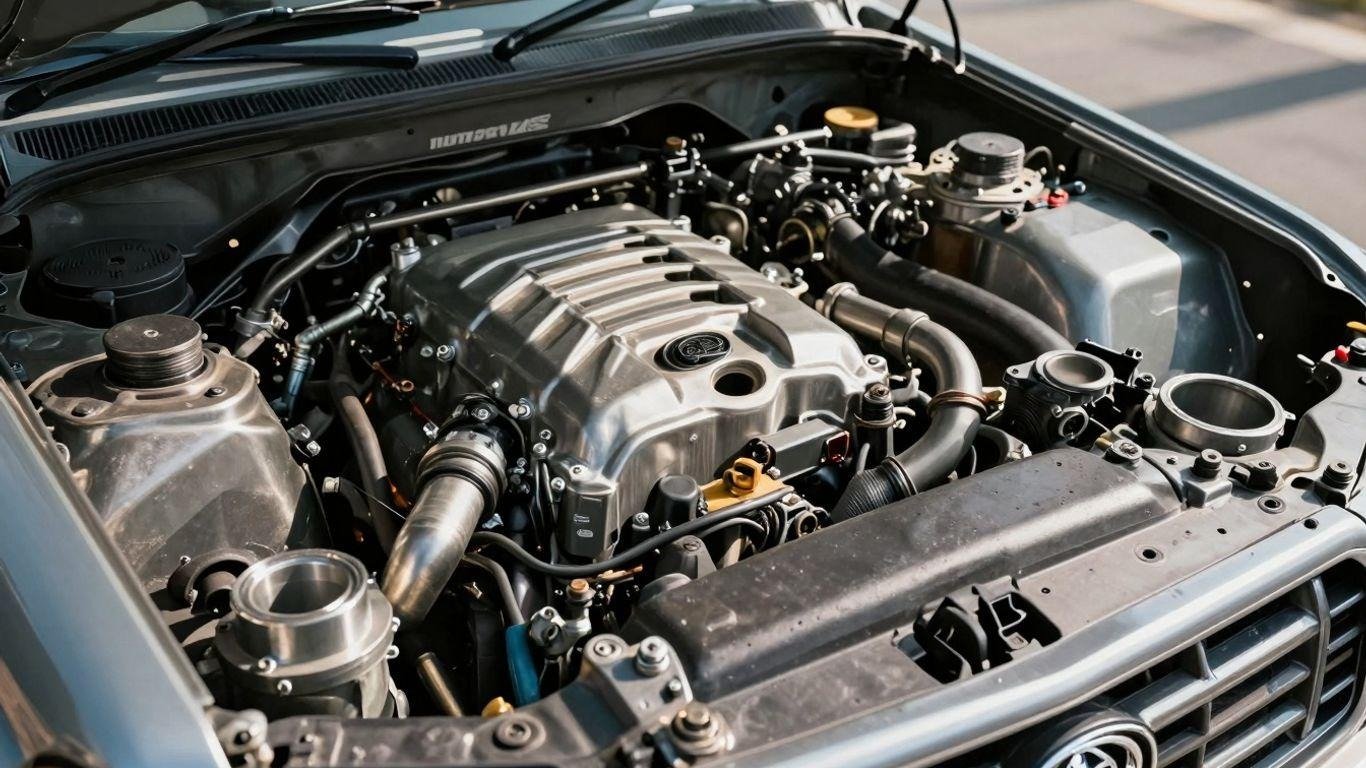
Start the engine when it’s cold. It should fire up without too much fuss. Listen for any strange noises or knocking. Check the exhaust for excessive smoke – blue smoke means it’s burning oil, white smoke can indicate fuel system problems, and black smoke often points to injector issues. Look for oil and coolant leaks around the engine block, hoses, and radiator. A little bit of oil weeping is common on older Land Cruisers, but major leaks are a red flag. Checking the oil condition itself is also key; it shouldn’t look milky (water contamination) or have metal shavings.
Checking Transmission and Clutch Integrity
When you test drive, pay attention to how the transmission shifts. It should be smooth, without grinding or hesitation, both in regular gears and in 4WD. Listen for any whining or clunking sounds. For manual transmissions, the clutch should engage smoothly and not feel too stiff or grabby. Check for leaks around the transmission and transfer case seals. Excessive play in the transfer case output yokes can mean worn bearings, which can be a costly fix. A simple check is to see if gear oil is leaking from the transmission fill plug; if it is, the seal between the transmission and transfer case might be shot.
Examining the Braking System for Wear
Test the brakes thoroughly. They should feel firm and stop the vehicle effectively without pulling to one side. Listen for any grinding or squealing noises, which could indicate worn pads or rotors. Check the brake fluid level and condition. Also, look underneath the vehicle for any signs of brake fluid leaks from the lines or calipers. Uneven tire wear can also be a sign of brake issues or other suspension problems, so keep an eye on that during your inspection.
Thoroughly Checking for Structural Integrity

When looking at a used Land Cruiser, the body and frame are where you really need to focus. It’s not just about how it looks; it’s about what’s hiding underneath. A solid structure means a longer life for the vehicle.
Conducting a Comprehensive Rust Inspection
Rust is the silent killer of many off-road vehicles. You need to be diligent here. Get down low and really look at the common spots: wheel wells, rocker panels, door bottoms, and the rear quarter panels. Don’t just glance; poke around with a screwdriver or a magnet to find any soft spots. A little surface rust can be managed, but deep, flaky rust is a major red flag. Pay attention to any areas that look like they’ve been poorly repaired or covered up. The structural integrity of the vehicle depends heavily on how well it has resisted corrosion over the years.
Assessing Chassis and Floor Pan Condition
After checking for rust on the surface, it’s time to inspect the chassis and floor pan. These are the backbone of the Land Cruiser. Look for any signs of damage, bending, or previous repairs that weren’t done right. Check the frame rails for cracks or excessive pitting. The floor pans should be solid, without holes or significant rust. If you see any signs of welding or patching on the frame, investigate it closely. This is where you can find hidden problems that could cost a lot to fix later. A good look underneath is key to understanding the vehicle’s true condition.
Looking for Fluid Leaks Underneath
While you’re under the Land Cruiser, keep an eye out for any fluid leaks. Dripping oil, coolant, transmission fluid, or differential fluid can tell you a lot. Small leaks might be minor, but significant ones point to bigger issues. Check the engine oil pan, transmission seals, transfer case, and axle seals. Also, look at the brake lines and fuel lines for any signs of corrosion or leaks. These leaks not only indicate potential problems but can also make a mess. A clean underside with no drips is always the best sign of a well-maintained vehicle.
Examining Suspension and Steering Systems
Testing for Suspension Sagging or Rough Rides
When checking out a LandCruiser, pay close attention to how it handles bumps and uneven surfaces. A rough ride, or if the vehicle seems to sag or lean more than it should, points to potential issues. This could mean worn-out shocks, bushings, or ball joints. These parts are key to a smooth and controlled drive. If you notice the ride is harsher than expected, it’s a sign that the suspension might need attention. Don’t overlook this; it affects both comfort and safety.
Evaluating Steering Play and Responsiveness
Next, focus on the steering. Grab the steering wheel and give it a gentle turn back and forth. There should be minimal play before the wheels start to respond. Excessive play, or a feeling of looseness, suggests problems with the steering box, tie rod ends, or other steering linkage components. A responsive steering system is vital for precise control, especially on varied terrain. Test how quickly the vehicle reacts to steering inputs; sluggishness is a red flag.
Checking for Uneven Tire Wear
Your tires can tell you a lot about the health of the suspension and steering systems. Look closely at the tire tread. Uneven wear patterns, like wear on just one edge or cupping, often indicate alignment problems or worn suspension parts. For example, if the edges are worn down, it might mean the alignment is off. This kind of wear means the suspension isn’t keeping the tires planted correctly. Checking for uneven tire wear is a simple yet effective way to spot underlying issues before they become bigger problems.
Verifying Electrical Systems and Accessories
Testing All Lights and Gauges
When checking out a LandCruiser, don’t skip the electrical bits. It’s easy to overlook, but faulty wiring can cause all sorts of headaches later on. Start with the basics: turn on the headlights, taillights, brake lights, and turn signals. Make sure they all work and are bright. Then, check the dashboard gauges. Does the speedometer read correctly? Does the fuel gauge seem accurate? A flickering or dead gauge often points to a wiring issue or a bad sensor. Pay close attention to any warning lights that stay illuminated after the engine is running.
Confirming Functionality of Accessories
Beyond the essential lights and gauges, test out all the accessories. This includes power windows, door locks, the radio, air conditioning, and windshield wipers. Operate each one multiple times to see if they function smoothly. For power windows, listen for any grinding noises. Test the A/C to see if it blows cold air. If the LandCruiser has central locking, ensure all doors lock and unlock properly. These accessories might seem minor, but their repair can add up, especially if you’re looking for a LandCruiser replacement part for something specific.
Identifying Potential Electrical Gremlins
Electrical gremlins are those sneaky problems that are hard to track down. Look for signs of amateur wiring jobs, like messy connections or wires that look out of place. Check under the dash for any loose or damaged wiring harnesses. If the vehicle has aftermarket accessories, like a winch or extra lights, verify they were installed correctly and aren’t causing any strain on the electrical system. A good rule of thumb is to test the electrical systems thoroughly; if something seems off, it probably is. Sometimes, a simple fuse replacement will do the trick, but other times, it might signal a deeper issue with the alternator or wiring loom.
Understanding Part Authenticity and Quality
When looking for replacement parts for your LandCruiser, it’s easy to get overwhelmed. There are tons of options out there, and not all of them are created equal. Prioritizing authenticity and quality is key to keeping your LandCruiser running strong.
Prioritizing Original Equipment Manufacturer (OEM) Parts
OEM parts are made by Toyota or their direct suppliers. This means they’re designed specifically for your LandCruiser model. They generally fit perfectly and meet Toyota’s original quality standards. While they might cost a bit more upfront, using OEM parts often saves money in the long run. Fewer fitment issues mean less labor, and the parts tend to last longer. It’s a good bet for maintaining the vehicle’s original performance and value. Always check for the Toyota logo or part numbers to confirm authenticity.
Considering Reputable Aftermarket Brands
Sometimes, OEM parts aren’t available, or a high-quality aftermarket option can be a good alternative. Look for brands that have a solid reputation in the LandCruiser community. Companies known for producing durable and well-engineered parts are your best bet. Do some research, read reviews, and ask other LandCruiser owners for recommendations. A good aftermarket part can perform just as well as an OEM part, sometimes even better, depending on the specific component. Just be wary of suspiciously cheap parts; they often don’t last.
Verifying Part Compatibility for Your Model
This is super important. LandCruisers have had many different configurations over the years. A part that fits a 1995 model might not fit a 2005 model, even if they look similar. Always double-check the part number against your vehicle’s VIN or specific model year and trim. Sellers should be able to provide this information. If you’re unsure, it’s better to ask for help from a knowledgeable parts supplier or mechanic than to buy the wrong part. Getting the right part the first time saves headaches and returns.
- Check the part number carefully.
- Confirm fitment with the seller.
- Consult your LandCruiser’s owner’s manual.
Making sure you have the correct part is half the battle. It avoids frustration and ensures your LandCruiser gets the quality it deserves.
Final Thoughts on Land Cruiser Parts
When it comes to keeping a Land Cruiser running strong, finding the right replacement parts really matters. It’s not just about getting something that fits; it’s about getting parts that are built to last, just like the vehicle itself. Whether you’re going for original Toyota parts or reputable aftermarket options, doing a little homework goes a long way. Checking reviews, talking to other owners, and buying from trusted sources can save a lot of headaches down the road. A little effort now means your Land Cruiser will keep tackling whatever you throw at it for years to come.