NoteGPT: A Practical Look at an Audio to Text Converter for Real-World Workflows
When people ask me how I handle hours of recordings every week—interviews, client calls, field notes, training sessions, long-form content—the answer is simple: I do not transcribe anything manually anymore. There was a time when I did, and it drained hours of attention that could have gone into actual analysis or creation. These days, I rely on a set of tools that handle the tedious part for me.
Among them, NoteGPT has become a consistent choice whenever I need an Audio to Text Converter that can keep up with real workloads. Not hypothetical “ideal” recordings—actual messy audio recorded in real environments with multiple speakers, unpredictable background noise, and long durations.
This article is not a sales pitch. You will not find generic lines like “AI-powered accuracy.”
Instead, I want to walk you through why a tool like NoteGPT works in daily professional settings, how it handles common pain points, and what separates a practical Convert Audio to Text workflow from a bunch of disconnected features.

(NoteGPT Audio to Text Converter )
Understanding the Real Problems Behind Audio Transcription
To talk about solutions, you have to be honest about the problems.
People don’t struggle because transcription is technically hard. They struggle because audio-based work usually comes with constraints that general-purpose tools don’t handle well.
The length of recordings keeps growing
A lot of what I receive now are:
- two-hour Zoom meetings
- podcast sessions with multiple takes
- workshop recordings split into long blocks
- full-length classroom lectures
- content drafts recorded as a single long voice memo
Traditional tools handle short clips. Professionals deal with multi-hour files.
That’s the gap.
Audio sources vary too much
Clients send me:
- phone recordings
- screen captures
- external mic captures
- in-room echo-heavy audio
- recordings with sudden volume drops
The variation is massive. A good system needs to be flexible, not fragile.
Time is not spent on transcription—it’s spent on reviewing messy output
Accuracy matters, but readability matters even more. If a tool gives you 20 pages of text with no structure, you’ve just moved the problem from “typing” to “cleaning.”
Teams expect summaries and digestible notes
Transcription alone is no longer the finish line.
Good tools support:
- fast scanning
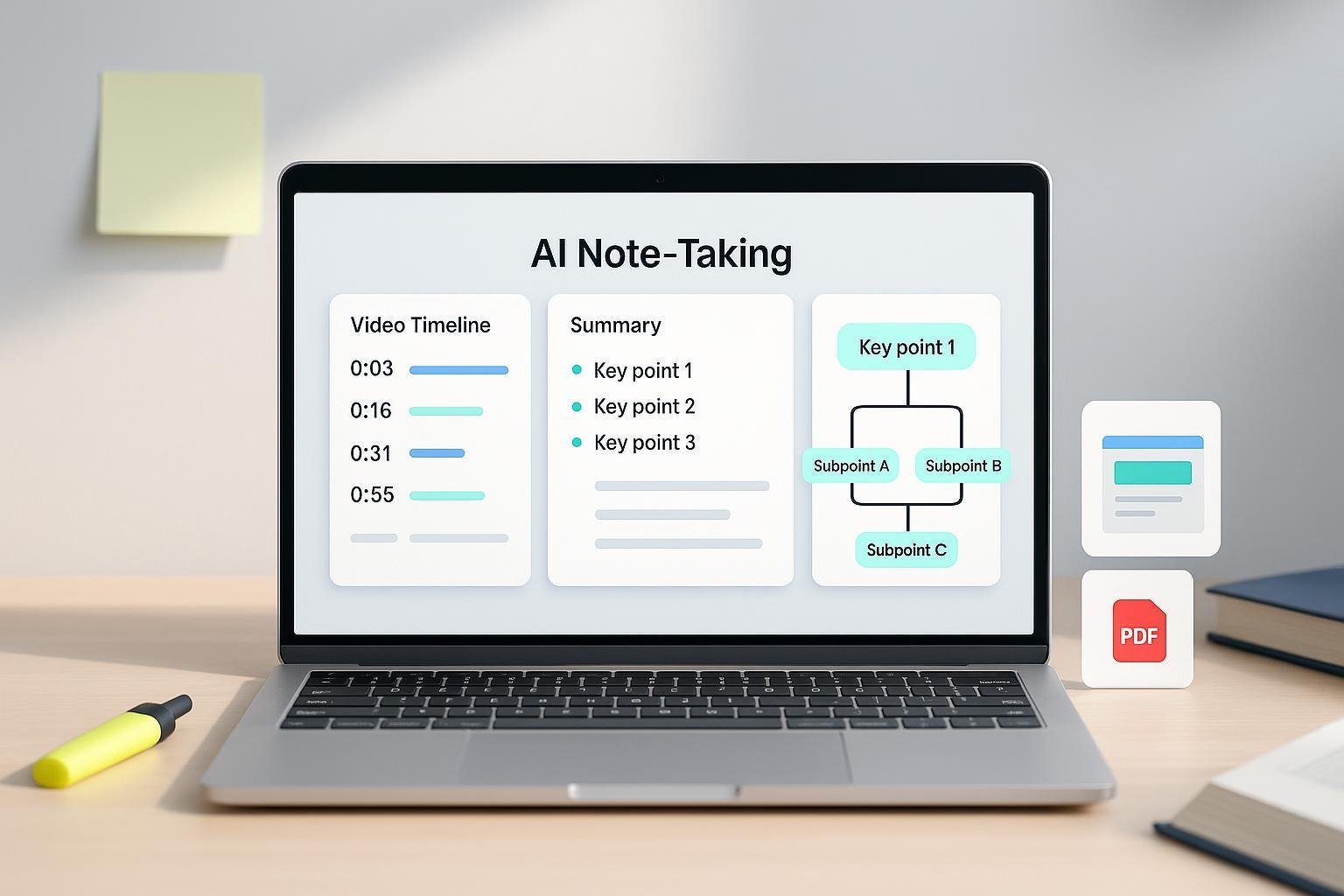
- structured summaries
- clean segmentation
- speaker clarity
- exportability
These things seem small, but they save real hours over a week.
With these realities in mind, let’s walk through where NoteGPT fits.
Why NoteGPT Works for Long and Complex Projects
Consistency on long files
Most online transcription tools work until you upload something over an hour. Then things get unstable.
One standout part of NoteGPT is that it processes files up to 1GB without forcing you to compress or split them. That matters in fields like:
- podcast production
- education and training
- journalism
- UX research
- content creation
- HR and corporate training
Large files are normal. A tool must handle them without complaint.
Batch uploads save real time
When you work in production environments or academic research, you rarely have a single file to process. I often handle:
- 5–12 interview takes
- multiple lecture recordings
- a folder of content drafts from clients
- weekly meeting archives
NoteGPT supports batch uploads that process independently.
You set everything up and go back to working on something else while the system handles the load.
This is one of those features that seems minor until you use it.
Then you realize how much time it saves.
A Professional Look at Accuracy and Readability
Accuracy is multi-layered. The way NoteGPT handles recognition feels different because it supports the kind of nuances that matter in practice.
Handling natural speech
Real speech includes:
- interruptions
- casual fillers
- background noise
- people talking over each other
- fast speakers
- varying tone and clarity
Here is where some tools collapse.
NoteGPT stays stable in messy environments.
Readability without extra cleanup
The transcript comes out with natural breaks and sentence flow instead of huge blocks of text. This reduces review time significantly.
Speaker labeling you can rely on
I have used tools that mix speakers halfway through or assign random labels.
NoteGPT keeps speaker consistency in a way that makes multi-person recordings readable.
Accuracy is not about perfection—it’s about lowering the amount of manual correction needed after the tool does its job.

(NoteGPT Audio to Text Converter with Multi-Language Support)
The Role Summaries Play in a Modern Audio Workflow
Summaries used to be optional. Now they are becoming essential.
When I’m working on projects with tight timelines, a transcript alone doesn’t give me the quick understanding I need.
NoteGPT automatically generates:
- high-level overviews
- key points
- sections broken down for fast scanning
- contextual highlights
This is incredibly helpful when reviewing:
- long meetings
- large research sets
- extended interviews
- hour-long lectures
- training content with multiple segments
Modern workflows rely on summarization because it turns raw output into something you can use immediately.
Where This Audio to Text Converter Helps Different Professionals
Not everyone uses transcription for the same purpose.
Here’s how NoteGPT fits across different fields, based on actual cases from my work.
Journalists
Journalists deal with fast-moving interviews.
They need something that can process long files without manually splitting them.
Speaker clarity and readable formatting are major benefits here.
Content creators
Creators send voice memos, rough takes, and early drafts.
Having transcripts and summaries makes rewriting easier.
Podcasters
Podcasters often upload raw, unedited sessions.
The 1GB limit is useful for full-length recordings.
Corporate teams
Teams want:
- meeting transcripts
- action-item summaries
- training documentation
- archived records
NoteGPT makes these processes simple.
Researchers and analysts
Researchers work with:
- long interviews
- qualitative data
- group discussions
- focus-group sessions
Having clean transcripts with speaker labeling dramatically reduces processing time.
The tool works not because of marketing, but because it fits the needs of different use cases without forcing users to adjust their workflow.

(NoteGPT Convert Audio to Text)
How a Complete Audio Workflow Looks with NoteGPT
I’ll walk you through a typical flow I use when handling a set of recordings for a project.
Step 1: Upload everything in a batch
Instead of uploading files one by one, I drag in the entire folder.
The system queues them automatically.
Step 2: Choose the processing settings
I select between:
- faster mode
- higher-accuracy mode
- speaker separation
It depends on the quality of the audio and the project deadline.
Step 3: Let the system process large files without oversight
This is where the 1GB support matters.
I don’t have to compress or trim anything.
Step 4: Review summaries first, then transcripts
Summaries help me understand the recording quickly.
If something is important, I dive into the transcript.
Step 5: Export into the format I need
Most often:
- TXT
- SRT
This entire flow replaces hours of manual work.
The Business Value of Using a Reliable Audio to Text Converter
Beyond convenience, there’s a real business impact.
Faster turnaround time
Clients expect fast delivery.
When transcription is automated, you can focus on the actual high-value work.
Reduced cognitive load
Working through long audio manually drains your attention.
Automating transcription means:
- less mental clutter
- less fatigue
- better focus on analysis and creation
Higher output quality
When you’re not stuck transcribing, your actual work improves.
You have more time for strategic tasks.
Predictable workflows
A tool like NoteGPT creates a stable pipeline.
You know exactly how long things will take.
Lower operational cost
Manual transcription—whether done by yourself or outsourced—costs time and money.
Automation changes your cost structure permanently.
The value compounds over time.
Why NoteGPT Works Better Than Traditional Tools
To be clear, there are multiple transcription tools on the market. I’ve tried most of them.
Here’s why NoteGPT remains in my workflow:
- handles long and large files
- supports batch uploads
- offers stable accuracy
- provides summaries
- keeps speaker labels consistent
- avoids unnecessary complexity
- doesn’t require special software or installation
It fits into the natural way professionals work.
Conclusion
Transcription is no longer about simple recognition. It’s about supporting real workloads, adapting to messy audio, handling multiple files, and presenting information in a usable format. NoteGPT stands out as an Audio to Text Converter (https://notegpt.io/audio-to-text-converter) because it focuses on the practical parts of the workflow—batch handling, large-file stability, readable output, and summaries that help you Convert Audio to Text (https://audioconverter.ai/) efficiently.
If your work depends on long recordings, multi-speaker conversations, or recurring audio processing, NoteGPT is one of the few tools built for real-world usage instead of idealized demos. It simplifies the entire process from upload to review, letting you put your time where it actually matters.