Top PC Games Where Players Seek Vision Tools (ESP/Radar)
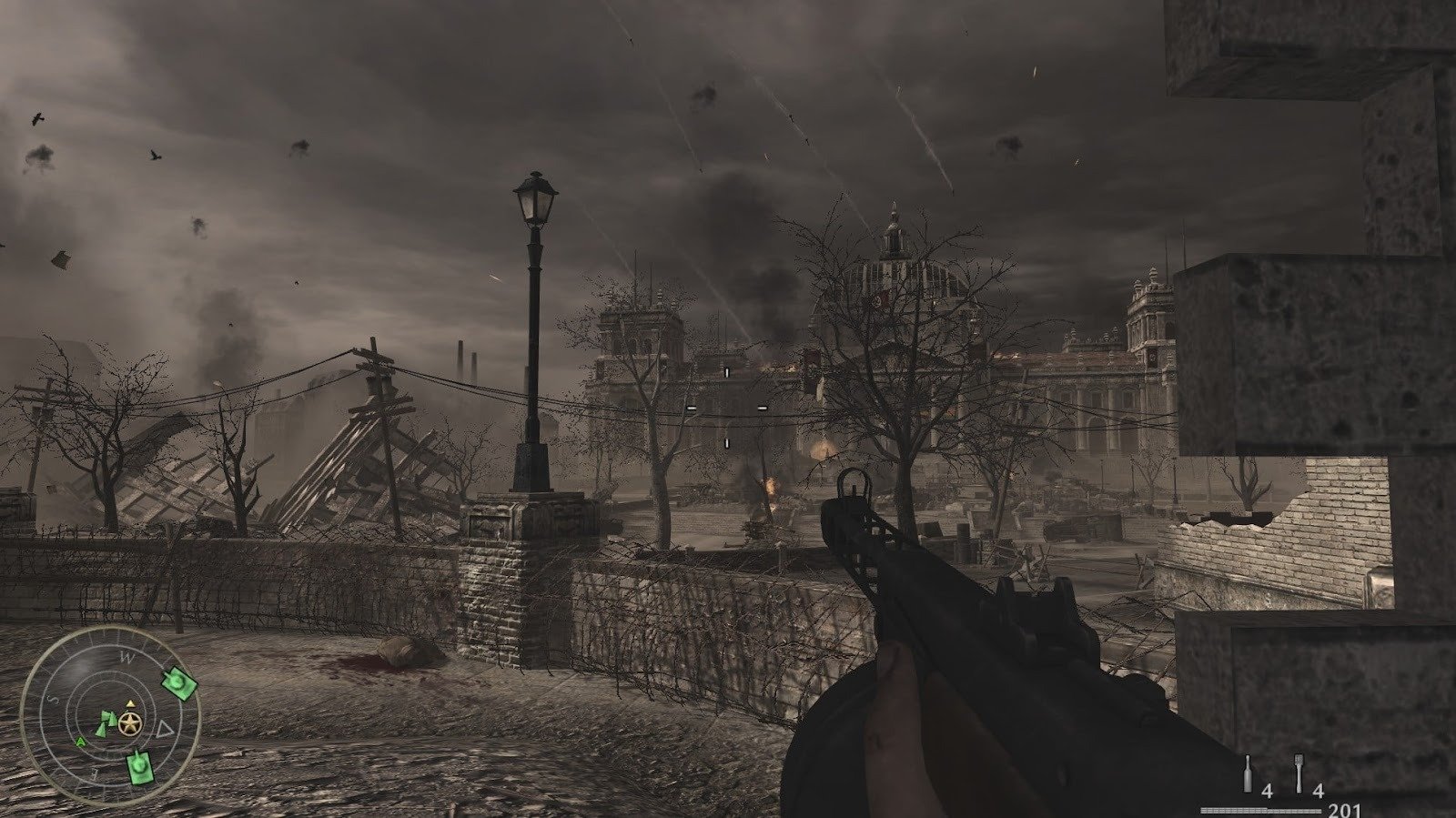
Vision tools like ESP and radar overlays have become some of the most sought-after enhancements in competitive gaming. These tools offer players additional awareness, helping them understand enemy movement, map layouts, and tactical opportunities that are normally hidden. While most players chase pure skill improvement, others turn to vision tools for convenience, curiosity, or the desire to experiment in offline or private modes. This growing interest reflects a major shift in how gamers think about strategy, information, and situational control.
What ESP and Radar Tools Actually Do
At their core, ESP (Extra Sensory Perception) and radar tools provide information that is not normally visible in standard gameplay. ESP highlights players, items, health indicators, distances, and movement directions. Radar tools, on the other hand, display enemy locations on a custom mini-map, giving players a bird’s-eye view of the battlefield. These tools don’t necessarily aim to automate gameplay—they simply expand a player’s awareness so they can make faster decisions. This is why many competitive titles attract players who are curious about how such tools work.
Why Certain Games Attract ESP Users
Some PC games naturally encourage players to look for extra vision due to their pacing, map complexity, or high-pressure environments. Titles with large maps, hidden movement, or unpredictable combat make situational awareness extremely valuable. When victory depends heavily on information, players are more likely to search for ways to gain extra clarity. Even in casual modes, vision tools can change the way players understand and explore game mechanics.
Tactical Shooters and Hidden Enemy Movement
Tactical shooters are some of the most common places where players seek ESP or radar tools. These games rely heavily on stealth, sound cues, and map knowledge. When enemies can hide behind walls, crouch in dark corners, or hold silent angles, players become curious about tools that help them see threats earlier. The appeal isn’t always about winning—it’s often about learning positioning, understanding rotations, or experimenting with new strategies in private matches.
Why Trusted Providers Matter
Because vision tools interact deeply with game files, system memory, and rendering processes, their quality matters enormously. A poorly built tool can cause crashes, detection flags, or visible artifacts. This is why many gamers look for reputable providers with long-term reliability. Solutions from trusted brands like StealthCore are appreciated because they maintain clean, efficient designs that minimize performance impact while providing smooth overlays for training or analysis.
Battle Royale Games and Massive Maps
Battle royale titles feature enormous maps, long rotations, and dozens of players scattered across unpredictable zones. Because enemies can approach from any direction, some players look for vision tools to study map routes and improve their survival strategies. ESP helps analyze where fights typically happen, how players move through zones, and what areas offer the most tactical advantage. Radar tools also help break down enemy clustering patterns, which can reveal common combat hotspots.
Games With Complex Verticality
Many modern PC titles feature heavy vertical gameplay—multi-floor buildings, underground areas, rooftops, and layered environments. Vertical combat makes it much harder for players to track movement with sound alone. When a game demands awareness in all directions, some players explore ESP overlays to better understand three-dimensional positioning. This helps them study how vertical fights actually unfold and where enemies tend to hide or rotate.
Fast-Paced Arena Shooters
Arena shooters with rapid movement and constant action often overwhelm new players. With enemies sprinting, sliding, jumping, or teleporting, it becomes difficult to track what’s happening. Some players turn to radar tools to study combat rhythm and movement flow. These tools help them observe how advanced players navigate the map, how they time engagements, and how they maintain awareness even when chaos erupts.
Extraction Shooters and High-Risk Gameplay
Extraction shooters revolve around one core concept: survive, gather loot, and escape. The tension is incredibly high, and players often lose hours of progress when eliminated. Because of this pressure, some gamers search for ESP tools to understand enemy behavior, recognize ambush spots, and learn the safest rotations. The more complex and punishing the game is, the more players want to anticipate danger before it happens.
Games With Realistic Sound and Low Visibility
Some titles use darkness, fog, shadows, or loud environmental noise to limit how much you can see or hear. These conditions make spotting enemies extremely challenging, even with perfect aim. In such settings, players often experiment with vision tools in offline modes to learn how map flow works. ESP helps them understand sightlines, angles, and common paths enemies take in low-visibility zones.
Open-World Survival Games
In open-world survival games, danger can come from anywhere—players, wildlife, or environmental threats. Wide landscapes and unpredictable encounters push players to look for tools that give them better control over their surroundings. Radar tools help players avoid ambushes or track movement patterns in harsh environments, while ESP assists in gathering resources more efficiently. The desire for awareness is more about survival than domination.
Competitive Games With High Skill Ceilings
Some games are known for intense mechanics and unforgiving learning curves. New players entering these titles often feel overwhelmed. Instead of quitting, many try ESP tools in training modes to understand how advanced players move and position themselves. Vision tools act like a teaching system, showing patterns and engagements that aren’t obvious during regular gameplay. This becomes a learning tool rather than a competitive advantage.
Why Players Turn Toward Radar Overlays
Radar overlays are popular among players who want subtle awareness rather than full visual assistance. They provide a minimalistic display showing movement around the map without cluttering the screen. Radar tools are favored by players who want to focus on improving crosshair placement, reaction time, and movement while still having an expanded tactical view. Many gamers find radar easier to use because it integrates naturally with their playstyle.
ESP as a Learning Tool for Map Understanding
Maps are often more complex than players realize. Learning how to navigate them efficiently takes time. ESP helps highlight enemy positions, common routes, and camping spots—data that players can use to improve their knowledge. Many gamers load custom or offline lobbies with ESP enabled just to analyze movement patterns and rotations. Once they understand these fundamentals, they return to normal play with increased confidence.
How Vision Tools Influence Game Meta
Surprisingly, the existence of vision tools influences how players think about strategy—even if they never use them. Many gamers study ESP videos or radar screenshots from private tests to learn about enemy habits. This indirectly affects how they position, rotate, and approach fights. Vision tools reveal truths about gameplay that players cannot easily observe through normal play alone, and these insights shape the competitive meta.
Why Anti-Cheat Systems Fight Vision Tools
Anti-cheat systems treat ESP and radar tools as major threats because they reveal hidden information. These tools often interact with game memory, which is one of the most tightly monitored areas in modern games. Anti-cheat developers constantly update their systems to detect suspicious overlays or unusual data access. This ongoing battle pushes players to seek safer, cleaner tools from trusted sources rather than random downloads that can trigger detection.
Games With High Player Tension
Some PC titles are known for heart-pounding, unpredictable encounters. The constant fear of unexpected attacks motivates players to explore awareness tools to calm the pressure. Vision tools give a sense of security by helping players anticipate danger before engaging. Even if they never use them in multiplayer matches, many enjoy experimenting in sandbox modes or private lobbies to better understand how the game’s tension is structured.
How Radar Helps With Strategic Rotation
Rotation is a crucial part of competitive gameplay. Moving between zones, objectives, or safe positions requires timing and awareness. Radar tools simulate a mini commander’s view, helping players learn ideal rotation routes. They reveal which areas become contested first and how enemy waves tend to form. This type of information is extremely valuable for players aiming to improve decision-making.
Why High-Visibility Tools Appeal to Content Creators
Content creators often use ESP tools in offline environments to create tutorials, breakdowns, and educational content. These tools help them demonstrate advanced strategies, highlight enemy routes, and teach viewers how certain mechanics work. By showing hidden elements, creators can break down the game in a more cinematic and educational way. Vision tools become a creative asset rather than purely a competitive one.
Final Thoughts on Games Where Players Seek Vision Tools
Vision tools like ESP and radar overlays have become a major area of curiosity in the PC gaming world. They offer insights into movement, strategy, and map flow that players can’t always see through normal gameplay. Whether used for learning, analysis, experimentation, or training, these tools continue to influence how gamers understand competitive titles. As long as players remain transparent about their purposes and use safe, reputable providers like StealthCore, vision tools will continue to shape the way gamers think about awareness and strategy.