EGR Delete Kit: How to Maximize Engine Performance
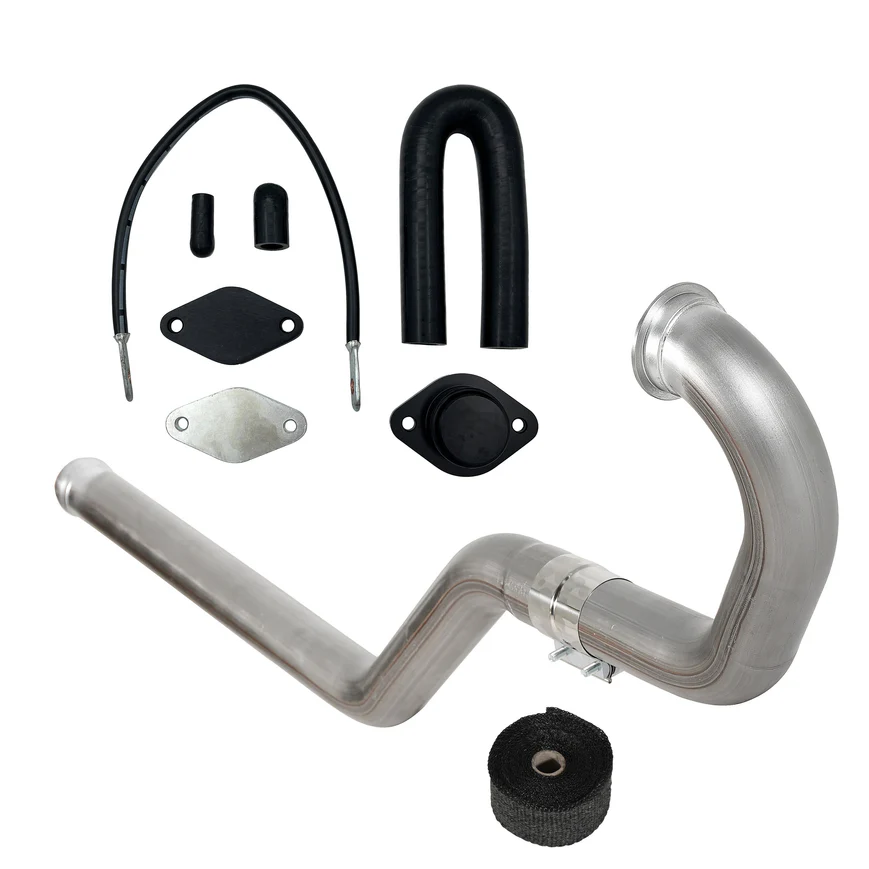
Contemporary diesel engines have been constructed to be power balanced, efficient, but emission controlled. Although these systems are very effective on paper, when it comes to real life driving, the systems tend to come in with some issues, which compromise reliability and performance. Among the items that often have discussions the truck owners are the Exhaust Gas Recirculation system. To people who have been having problems with diminishing engine power, excessive levels of soot formation or frequent problems with their engines, the prospect of the installation of an egr delete kit or egr valve delete kit often sounds appetizing.
In this article, the author investigates the purpose, the advantages, and the factors of the EGR delete kit usage, which is backed by observations and practical experience.
Understanding What an EGR Delete Kit Does
The EGR system is used to re-introduce a part of the exhaust gasses back into the engine intake in order to minimize the emission of nitrogen oxides. Although this process contributes to the attainment of environmental standards, it contributes to the intake system with hot exhaust that is sooty. After some time, the engines start displaying some symptoms like rough idling, loss of power, clogged intakes, and frequent fault codes involving EGR.
An egr valve delete kit is created to either shut this system off or to do away with this system in its entirety. After the installation is done, the air inhaled by the engine is cleaner since it will no longer be mixed with exhaust fumes and the engine has the freedom to breathe.
Why Drivers Consider an EGR Delete Kit
Individuals decide on an EGR delete depending on a number of viable factors, particularly upon the realization of inefficiencies themselves. Personally, I was exposed to recurrent EGR valve breakdowns when doing long distance haulage. I was most annoyed when the valve got stuck open on a highway that was a long distance away and this made my engine to derate and I had to coast to the next service station. Having invested large sums of money in the previous two repairs, I decided to install an EGR delete system on a personal, off-road truck.
The shift could be felt quite soon. The engine was much cleaner and more reactive, and the fear of having an EGR breakdown at any moment was gone. The same can be said about other drivers who work under high-stress conditions: poor weather conditions such as cold weather and dust, as well as long routes.
Performance Improvements After an EGR Delete
Removal of the EGR system in the given equation makes the engine begin to run with a simpler air flow pattern. Higher quality of air normally results in:
Stronger throttle response
With no recirculated exhaust the turbo can spool much more freely and in particular at lower RPMs.
Reduced soot accumulation
Intake manifolds and intercoolers are now kept in fair clean over a long period since they are no more exposed to a constant accumulation of carbon.
Improved fuel efficiency
The more regular the airflow the better the combustion and the efficiency with which fuel is burned.
Lowered risk of component failure
EGR valves, coolers and sensors are no longer a source of weak spots in the system.
All these combined help to make work environments in demanding areas to run more smoothly and without interruptions.
Long-Term Reliability Benefits
The reason why many skilled mechanics will advise to test an egr valve delete kit is due to the long term relief it will bring to maintenance. In the absence of EGR elements, you eradicate the chances of cooler bursts, valves that are stuck and passages that are blocked. The vehicles that experience heavy load or off-road functions typically experience a considerable decrease in downtime when using trucks.
In my personal tests, the EGR delete engines are found to have more stable temperatures. This can be of great utility especially in long and steep climbs when the issue of heat management is of paramount importance. The EGR system under activity causes the internal engine temperature to increase because of the hot exhaust gasses that return to the intake. In case the gases are removed then the engine operates at lower temperatures and the total stress is decreased.

Is an EGR Delete Right for Every Driver?
Although the EGR delete kit will provide significant enhancements in performance and reliability, it is only necessary to point out that it is designed to be used in off-road or racing or closed course use. The environment has regulations on on road usage in most places. Any person who thinks of delete must be aware of the legal consequences and make appropriate decisions.
To people who use machinery, farm equipment or off road vehicles, however, the advantages cannot be ignored.
Conclusion
An egr delete kit or egr valve delete kit may be a good alternative to achieve performance, reliability, and cost savings in the long-run maintenance of the diesel engines utilized in off-road or specialized working conditions. Having tried the difference, it is obvious that the increase in consistency and efficiency is significant. Taking care of a working fleet of vehicles or a single heavy-duty truck, the investigation of an EGR delete solution can be a viable opportunity, which brings potential benefits that can be considered in due course, assuming that it is in line with your business needs and the local rules.
FAQs About EGR Delete Kits
Which components do an EGR delete kit consist of?
A standard kit will include block-off plates, rerouting components of the coolant system, and components necessary to shut off the EGR valve and cooler system. There are also some setups that involve tuning.
Does an EGR delete add more horsepower?
The throttle response and a little power improvement are also reported by the majority of the users since the engine receives cleaner air and the turbo operates more efficiently.
Will the removal of the EGR lower engine wear?
Yes, when a hot exhaust gas is eliminated off the intake, there will be less carbon accumulating which causes less stress on the moving parts.
Does it require a tune after installing?
The majority of modern diesel engines need a tune-up in order to prevent check-engine lights and to make the system work properly.